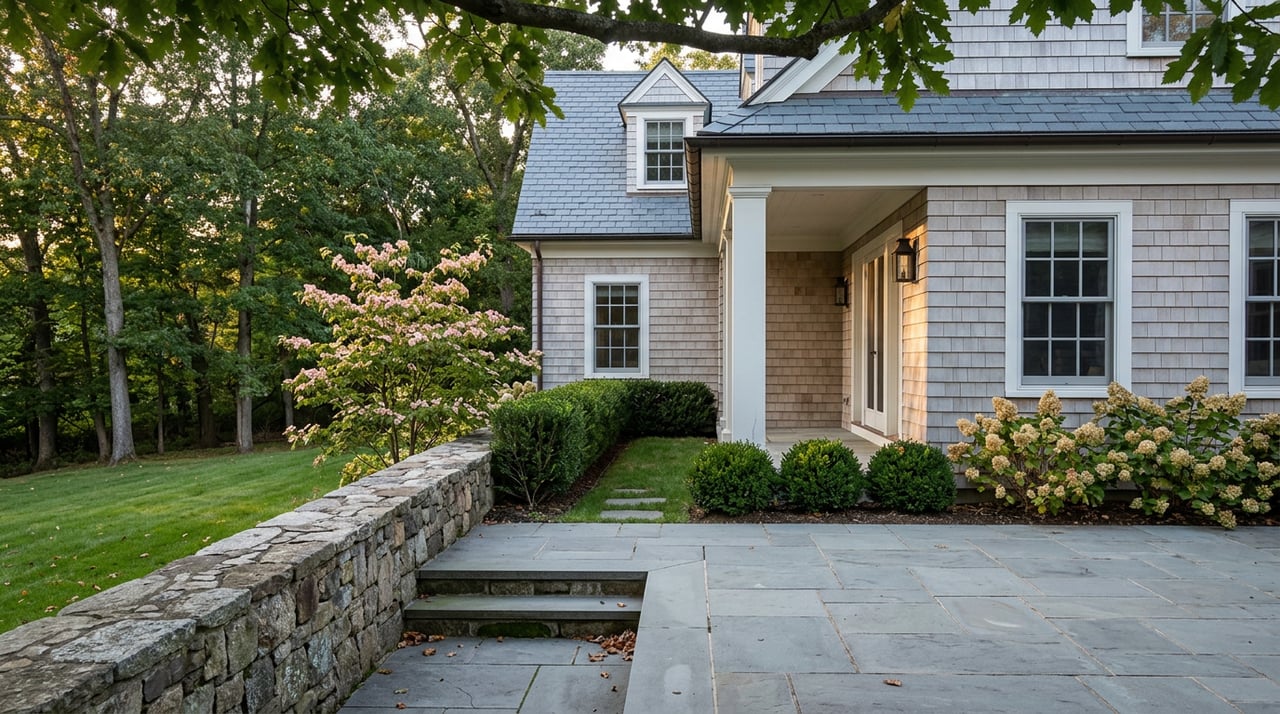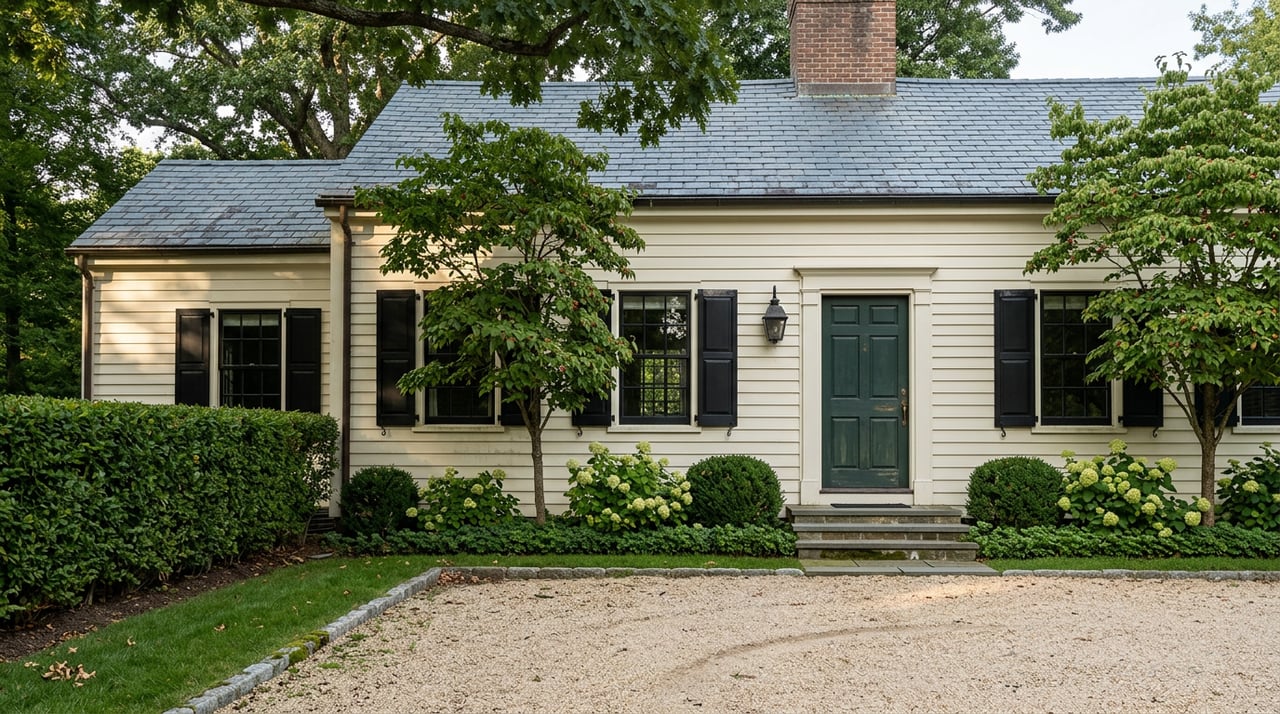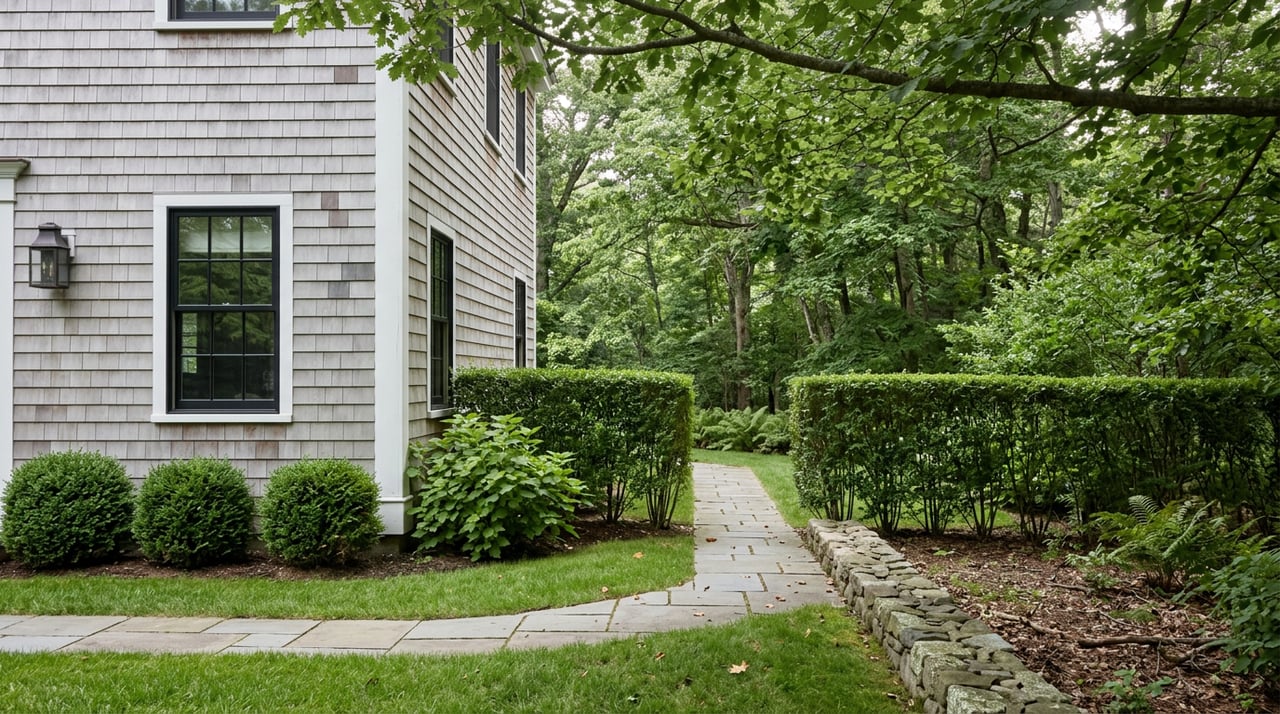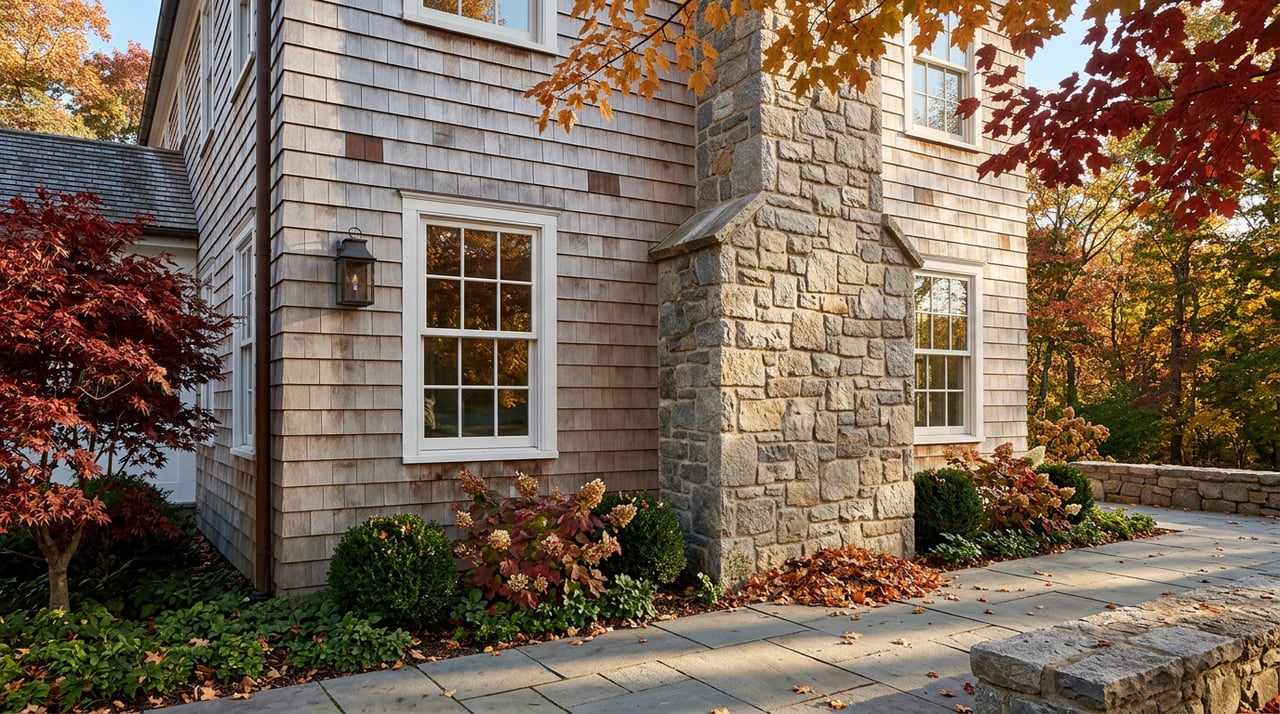
If you are planning renovations on a large estate in Matinecock or Lattingtown, the house is only part of the equation. On these North Shore properties, the land itself often drives what is practical, what is approvable, and what will still feel true to the setting when the work is done. If you understand how topography, trees, drainage, and village review shape the process, you can make smarter decisions before plans move too far. Let’s dive in.
Why estate renovations work differently here
Matinecock and Lattingtown are not typical suburban settings. Matinecock’s official information notes 1,734 acres and 266 homes, while Lattingtown describes a village of about 2,400 acres. Both communities were shaped around large-lot living, and their zoning reflects a clear preservation mindset.
In Matinecock, the zoning purpose includes guiding growth, protecting character, preserving natural resources, and providing light, air, and privacy. Its districts include a five-acre rural residence district, along with smaller residential districts and a business district. Lattingtown has a similar framework, including a four-acre rural residence district plus smaller residential districts.
That matters because renovation planning on estate-scale property is rarely just about adding square footage. It is also about how new work fits within a landscape that local rules already treat as part of the property’s value and identity.
Start with the site, not the floor plan
On a large estate, one of the first questions is often where an addition should go, not simply how big it should be. In Lattingtown, site-grading review calls for attention to topography, vistas, existing tree and shrub growth, and the proximity of a building site to wetlands, preserves, or historic sites or areas. Matinecock also regulates construction on slopelands.
In practical terms, that means a strong renovation plan often begins with the lot itself. Before finalizing a design, it can help to study possible building envelopes, driveway approaches, and massing options so the addition feels settled into the land rather than imposed on it.
This approach is especially important on the Gold Coast, where the relationship between house, lawn, trees, and long views often defines the experience of the property. A well-sited project can preserve that feeling. A poorly sited one can change it more than owners expect.
Trees and grading are major planning issues
On estate properties in Matinecock and Lattingtown, mature landscaping is not just decorative. Local rules make clear that trees, shrubs, grades, and soil conditions are core planning concerns.
Lattingtown states that trees and shrubs help preserve the rural atmosphere, reduce noise, provide shade, improve air quality, stabilize soil, and help control water pollution and flooding. Its rules also allow permits for substantial tree work in certain cases, including planned construction, public safety, disease control, or the establishment or maintenance of a vista.
Matinecock’s excavation and tree-removal rules warn that removing topsoil, trees, and other site material can contribute to flooding, erosion, dust, traffic hazards, and road damage. If your renovation involves clearing, grading, or changing outdoor circulation, those site impacts may be just as important as the architecture itself.
Wetlands and stormwater can shape your timeline
Many buyers focus first on the house, but on larger estates the hidden variables are often outdoors. Wet areas, drainage patterns, and runoff management can affect where improvements belong and how long approvals may take.
Matinecock’s wetlands rules describe freshwater wetlands as important for flood protection, wildlife habitat, open space, water resources, and aesthetic benefit. Both villages also regulate stormwater to reduce runoff, erosion, siltation, and pollution.
For owners, that means drainage and finished grades should be treated as early design issues. For buyers, it is a reminder not to assume that every open area on a large lot will support a future addition, expanded terrace, or reworked drive without further review.
A preservation-minded strategy often works best
The most successful estate renovations here usually balance change with restraint. Local rules in both villages point toward protecting natural features and preserving the broader character of the property.
That does not mean you cannot modernize or expand. It means the strongest projects often keep meaningful trees, minimize unnecessary grade changes, and place new work so the property still reads as a North Shore estate rather than a maximized building pad.
For many owners, this mindset also produces a better long-term result. Preserving the landscape framework can help new construction feel more natural, more coherent, and more valuable in the context of these villages.
What buyers should evaluate before purchase
If you are considering an estate in Matinecock or Lattingtown with renovation plans in mind, it helps to look beyond finishes and room count. A property may have generous acreage and still present meaningful site constraints.
Here are a few practical items to review early:
- The likely buildable envelope
- Existing tree canopy and major specimen trees
- Slopes and grade changes
- Drainage patterns and low or wet areas
- The relationship between the house, views, terraces, and driveways
- Whether proposed changes may trigger tree, grading, stormwater, or other village review
This kind of evaluation can give you a much clearer picture of what is realistic. It can also help you compare two seemingly similar estate properties in a more informed way.
What sellers should consider before listing
If you own a large estate and have already completed thoughtful improvements, those choices may strengthen your property’s story in the market. In villages where local rules explicitly value character, land value, and natural features, preservation-minded upgrades can be meaningful to buyers.
For example, improvements that maintain mature landscaping, preserve buffered edges, and create a coherent relationship between the house and grounds may support a stronger presentation. On larger properties, buyers often respond not just to the house, but to how well the whole estate feels composed.
If you are considering renovations before a sale, it may help to think carefully about which projects truly enhance the estate setting. In some cases, disciplined site work and landscape preservation can matter as much as interior updates.
Why coordinated planning matters
One reason estate renovations can feel complex in these villages is that the local process may involve several review tracks. Matinecock’s forms include building applications, tree removal applications, variance applications, a Short Environmental Assessment Form, and subdivision forms. Lattingtown’s building resources point owners to building permits, fence permits, tree-removal permits, excavation and grading applications, Planning Board tree-removal applications, and septic-system resources.
Because the process may call for plans, maps, contour information, and stormwater review, coordinated planning is often the most efficient path. A renovation that looks simple at first can involve site questions that benefit from careful professional preparation before a building application is filed.
For buyers, this is one more reason due diligence matters. For sellers, it is a reminder that well-documented improvements and a thoughtful site strategy can add confidence for the next owner.
Estate stewardship matters in Matinecock and Lattingtown
Large estates in Matinecock and Lattingtown are part of a broader North Shore landscape that values open space, established land patterns, and long-term stewardship. Renovation decisions here are often about more than updating a house. They are about how the house, grounds, and setting work together.
If you approach the process with a clear understanding of site conditions and village priorities, you are more likely to end up with a result that feels both practical and lasting. That is true whether you are buying with a vision, renovating for your own use, or preparing an important property for sale.
If you are weighing a purchase, planning a renovation, or preparing to sell a large North Shore estate, Cottie Maxwell offers discreet, senior-level guidance grounded in deep local market knowledge.
FAQs
What should buyers review before planning renovations in Matinecock or Lattingtown?
- Buyers should review the buildable area, tree canopy, slopes, drainage, wet areas, and how the house sits on the lot before assuming a future addition will be straightforward.
How do Matinecock and Lattingtown treat trees during estate renovations?
- Both villages treat trees as important site features, and tree work may require permits or review depending on the scope and purpose of the proposed changes.
Why do grading and drainage matter on large estates in Nassau County?
- Grading and drainage matter because both villages regulate stormwater, erosion, runoff, and related site impacts, which can affect design choices and approvals.
Can site conditions affect where an addition goes on a large estate property?
- Yes. Local review criteria in this area focus on topography, vistas, existing vegetation, and proximity to wetlands, preserves, or historic sites or areas.
What should sellers highlight after thoughtful estate renovations in Matinecock or Lattingtown?
- Sellers can highlight improvements that preserve mature landscaping, maintain the relationship between the house and grounds, and support the overall character of the estate setting.