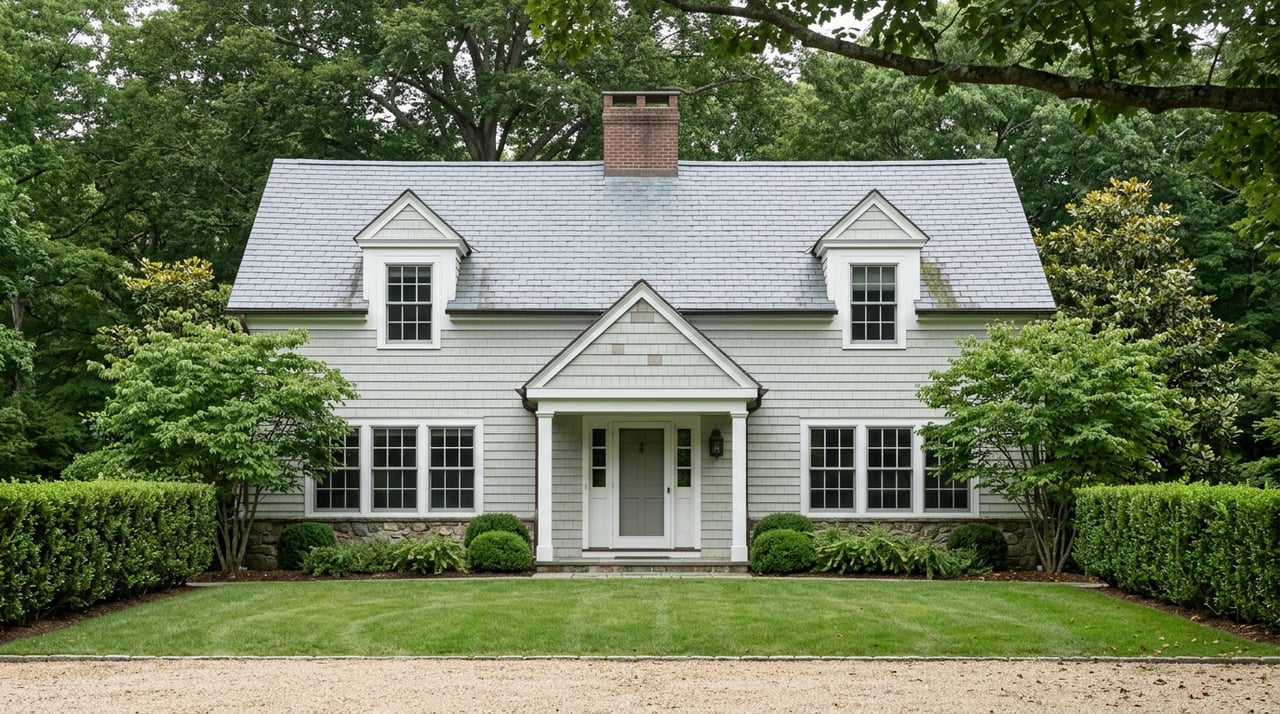
Buying an estate in Mill Neck is not the same as buying a typical single-family home. On larger parcels, your due diligence often needs to go beyond the house itself and into the full site, including outbuildings, drainage, shoreline details, permits, and certificates of occupancy. If you want to move forward with confidence, a careful inspection plan can help you spot issues early, protect your timeline, and avoid surprises before closing. Let’s dive in.
Why Mill Neck Due Diligence Is Different
Mill Neck’s Estate E1 zoning rules are built for large properties with substantial site controls. The village requires minimum five-acre lots in this district, limits lot coverage to 10%, and generally requires 75-foot yards, while accessory buildings generally need a 125-foot front-yard setback. Buildings are also generally limited to 3.5 stories or 40 feet under the village code, which makes site compliance a key part of the buying process. You can review these standards in the Village of Mill Neck zoning code.
That matters because many Mill Neck properties include more than a main residence. Village review notices regularly reference pools, detached garages, cottages, carriage houses, sheds, retaining walls, drainage work, water-service infrastructure, and tree removal. In practical terms, you are often asking two questions at once: is the home physically sound, and does the site match what was approved by the village? Recent examples of village review activity appear on the Village of Mill Neck website.
Start With the Standard Inspection
A general home inspection is still the first step for most buyers. It gives you an overall picture of the home's condition and helps identify where you may need deeper review.
In New York, the Property Condition Disclosure Statement makes clear that seller disclosures are not a substitute for inspections or tests. The law also encourages buyers to review public records, tax records, wetlands information, FEMA flood maps, and elevation certificates where relevant. You can see those buyer prompts in New York Real Property Law § 462.
Add Specialists When the Property Calls for It
Estate properties often need a broader team than a standard suburban purchase. The goal is not to over-inspect everything, but to bring in the right specialist when the first round of review points to a real issue.
Common specialists may include:
- Structural engineer for foundations, retaining walls, additions, or slope-related concerns
- Pool or spa specialist for pools, equipment, patios, and cabanas
- Surveyor or title professional to help compare existing improvements against available property and permit information
- Well or water-quality professional if the property uses a private well
- Septic or cesspool professional if the property is not connected to public sewer
- Environmental professional if an underground oil tank may be present
This type of layered review makes sense in Mill Neck because village approvals and land records are often just as important as the physical condition of the home. The village’s permit process underscores how much site detail can matter on larger properties, as shown in the local zoning administration provisions.
Check Wells and Septic Systems Separately
If the property has a private well, septic system, or cesspool, treat those as separate due diligence items. These systems can affect daily use, repair costs, and sometimes financing or insurance questions.
New York’s disclosure form asks sellers about water source, water quality and flow testing, sewage system type, pumping history, and known defects. The state also notes that buyers should not rely on disclosure alone when a system can be tested directly through inspection and service records. Those prompts appear in the same New York disclosure law.
The New York State Department of Health recommends that private well owners test at least annually for bacteria and every three to five years for other contaminants, and after flooding or other events that may affect water quality. For buyers, that makes water testing an important early step when a private well is part of the property.
Review Older Homes for Lead Paint
Many North Shore estate homes were built long before 1978, so lead-based paint should stay on your radar. This is especially important if the home has older painted surfaces, original trim, or deferred maintenance.
According to the EPA’s lead-based paint disclosure guidance, pre-1978 homes are subject to federal lead disclosure rules, and buyers generally have a 10-day opportunity to inspect or conduct a risk assessment unless that right is waived. If lead is a concern, a certified inspector or risk assessor is the recommended resource.
Take Underground Oil Tanks Seriously
If the property has oil heat or evidence of a former oil system, ask direct questions about tank location, age, and whether any tank is buried. An underground heating oil tank can create expensive cleanup and transaction issues if it has leaked or if its status is unclear.
The New York State Department of Environmental Conservation notes that many residential heating oil tanks are not regulated because of size, but Nassau County is one of the delegated counties where local health department rules may apply. The DEC also notes that buyers or lenders may request an environmental assessment or tank removal when a buried tank remains in place.
Compare the House to the Paper Trail
One of the most important Mill Neck buyer steps is comparing what exists on the property to the available records. That includes the seller’s disclosure, village permit file, certificates of occupancy, surveys if available, and title information.
This matters because surveys, title reports, and certificates of occupancy are not always recorded in one place. The village may hold certain records, while title companies typically prepare title reports, and other details may need to be confirmed through separate channels. Mill Neck’s zoning and record framework, along with county guidance noted in the research, supports a careful file review through the village code provisions.
As you review the paper trail, watch for a few common red flags:
- Open permits
- Missing or incomplete certificates of occupancy
- Past additions or accessory structures with unclear approval status
- Unresolved variances
- Nonconforming conditions that may affect future plans
- Site improvements that appear newer than the paperwork suggests
Put Flood and Drainage Near the Top
In Mill Neck, flood and drainage questions should be treated as core diligence items, not afterthoughts. This is especially true for waterfront or near-water properties, but even inland estate parcels can have grading, runoff, or water-penetration concerns.
New York’s disclosure form specifically asks about flooding, drainage, grading, water penetration, coastal storm surge, tidal inundation, FEMA floodplain status, flood insurance, and elevation certificates. Mill Neck also maintains flood-damage regulations intended to reduce losses and support participation in the National Flood Insurance Program.
For the official public source on flood hazard information, use FEMA’s Flood Map Service Center. If a home is in or near a mapped flood hazard area, ask early whether an elevation certificate is available so insurance and financing questions can be addressed before the end of the transaction.
Give Waterfront Sites Extra Attention
If the property touches water or sits near the shoreline, due diligence should expand again. In these cases, the lot itself may raise issues that do not appear in a standard home inspection.
Mill Neck requires shoreline information on plot plans where applicable, and the village waterways code regulates waters within 1,500 feet of shore. That means docks, moorings, shoreline changes, and other water-adjacent improvements deserve the same careful review as the main residence and accessory structures. The relevant local framework appears in the Mill Neck code and waterways provisions.
Do Not Treat Site Work as Cosmetic
On a large estate parcel, landscaping and grading are not always cosmetic details. Drainage work, retaining walls, tree removal, and slope-related improvements can affect function, maintenance, and sometimes approval history.
Village notices show repeated review of tree removal and replanting plans, slopeland garages, retaining walls, and drainage work. You can see examples in the village notice materials. For a buyer, this is a reminder to look beyond finishes and ask how the land itself has been altered or managed.
Follow a Practical Inspection Sequence
The smoothest estate transactions usually follow a clear sequence. That keeps you from spending money in the wrong order and helps you focus your contingency window where it matters most.
A practical approach often looks like this:
- Review the seller’s disclosure statement
- Check public records and available village file information
- Confirm permit and certificate-of-occupancy history
- Order the general home inspection
- Bring in targeted specialists based on the first inspection and records review
- Evaluate whether the findings call for a seller cure, credit, re-inspection, or additional time
This sequence aligns with New York’s framework that disclosures are separate from inspections, while village permit, certificate-of-occupancy, and land records may be maintained in different places. The legal and procedural background appears in New York law.
Focus on the Issues That Matter Most
Not every inspection issue is a deal-breaker. On a Mill Neck estate, the key is separating ordinary ownership items from problems that affect legality, use, safety, or financing.
In many transactions, the biggest concerns are not a loose railing or an aging appliance. They are issues like missing approvals, flood exposure, well or septic problems, lead-based paint in older homes, and buried oil tanks with unclear status. When you identify those early, you give yourself more room to negotiate thoughtfully and move toward closing with fewer surprises.
If you are considering a Mill Neck estate purchase, working with an advisor who understands the village’s property types, approval patterns, and due diligence rhythm can make the process far more manageable. For thoughtful guidance on North Shore estate purchases, you can schedule a private consultation with Cottie Maxwell.
FAQs
Do Mill Neck estate buyers usually need more than a standard home inspection?
- Often, yes. Estate properties may include pools, detached garages, cottages, drainage systems, wells, septic systems, and buried fuel tanks, which can call for specialist review.
What should Mill Neck buyers check besides the house itself?
- You should also review permits, certificates of occupancy, accessory structures, drainage, grading, retaining walls, shoreline details where applicable, and whether the site matches available village records.
How can buyers check flood risk for a Mill Neck property?
- Use FEMA’s official Flood Map Service Center and ask whether an elevation certificate is available if the property is in or near a flood hazard area.
Why are permits and certificates of occupancy important in Mill Neck?
- Mill Neck has a permit-heavy review framework, and larger estate properties often include multiple structures or site improvements that should match village approvals and occupancy records.
What are common red flags for older Mill Neck homes?
- Official guidance points buyers toward recurring concerns such as lead-based paint, septic or well issues, flood exposure, and aging oil tank systems.
What if a Mill Neck property is being sold as is?
- In New York, seller disclosure is still separate from inspections, so an as-is sale does not eliminate your ability to inspect or test the property during your due diligence period.