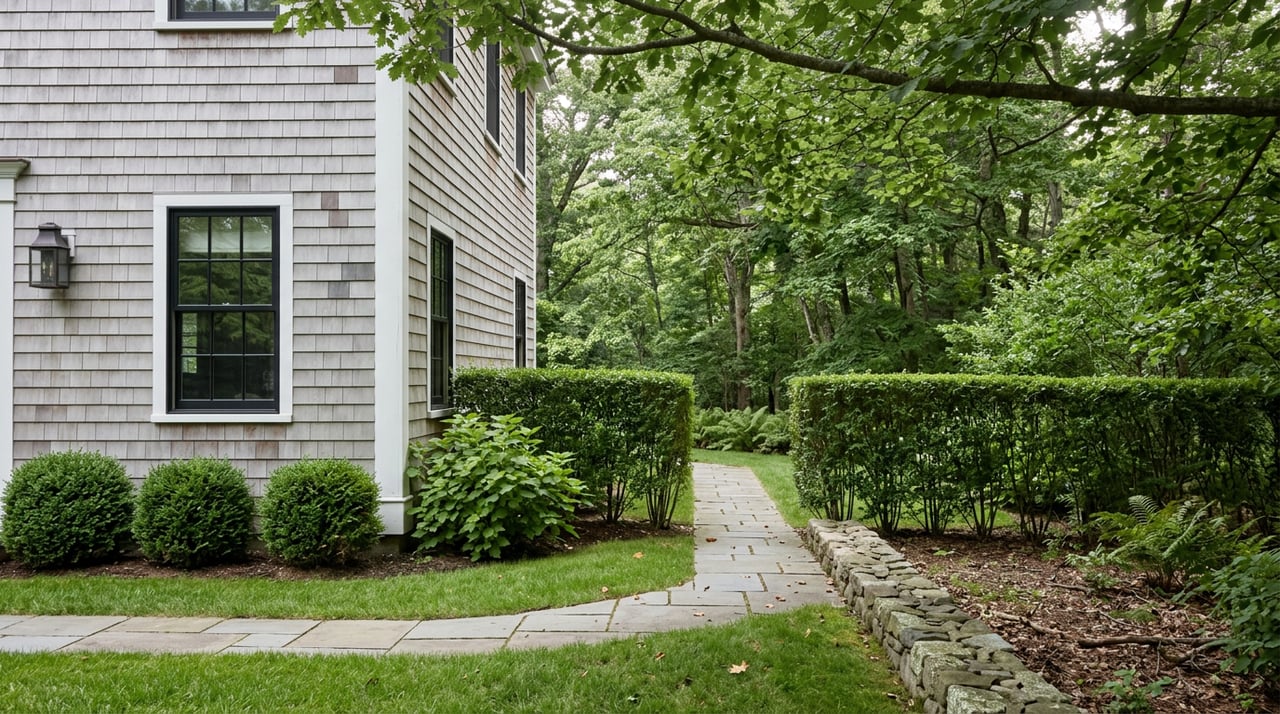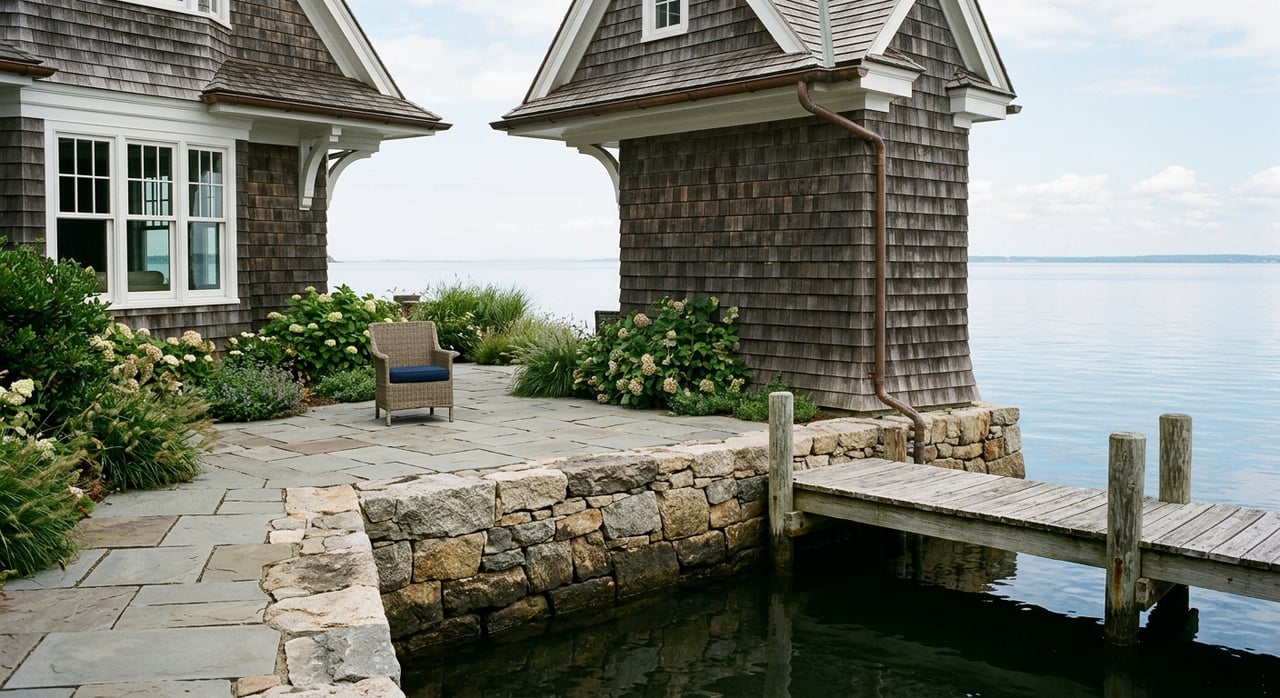
If you own a waterfront home on Centre Island, you already know the setting is part of the appeal and part of the responsibility. Salt air, wind, shifting weather, and shoreline exposure can wear on a property faster than many inland homeowners expect. A smart seasonal checklist helps you stay ahead of maintenance, protect long-term value, and avoid preventable surprises. Let’s dive in.
Why Centre Island Care Is Different
Centre Island is not just a waterfront backdrop. It is a 605-acre peninsula with more than four miles of coastline along Cold Spring Harbor, Oyster Bay Harbor, and Long Island Sound, and waterfront ownership here comes with real environmental exposure and local oversight.
That matters because regular upkeep often extends beyond the house itself. You may also be thinking about docks, moorings, drainage, shoreline conditions, and village-level rules related to waterways and marine use. The Village of Centre Island also maintains its own code covering items such as dumping, mooring, anchoring, and vessel speed near shore structures.
Spring Checklist for Waterfront Homes
Spring is the season to assess what winter left behind. On Centre Island, that usually means checking for salt exposure, wind wear, and moisture-related issues before the busy outdoor months begin.
Inspect Exterior Metal and Trim
Salt spray can accelerate corrosion on coastal homes. According to FEMA guidance on corrosion protection in coastal areas, wind-driven saltwater spray can speed up deterioration in metal connectors, fasteners, railings, and exterior hardware.
Walk the property and look closely at:
- Railings and exterior stairs
- Gate hardware and hinges
- Deck fasteners and exposed brackets
- Outdoor lighting fixtures
- Metal flashing and moisture-prone trim details
If you spot rust, staining, or loose hardware, it is worth addressing early. Small issues tend to grow quickly in salt-exposed environments.
Check Siding, Roofing, and Windows
Spring is also a good time to look for cracks, failed sealants, loose shingles, and signs of water intrusion. Coastal wind can stress exterior materials, especially around roof edges, windows, and doors.
Routine same-kind repair is often different from larger structural or shoreline changes. The New York State Department of Environmental Conservation notes that normal maintenance can include same-kind repair or replacement that does not change a structure’s size, design, or function.
Refresh Planting Beds and Lawn Areas
Winter salt can affect lawns, shrubs, and exposed ornamental plantings. The University of Minnesota Extension notes that salt spray can burn turf and foliage, while salt absorbed by roots can dehydrate plants.
In exposed areas, spring is the moment to evaluate what struggled through winter and what should be replaced with more salt- and wind-tolerant options. The New York Botanical Garden’s coastal gardening resources can help guide planting choices for waterfront conditions.
Recommission Docks and Moorings
If your property includes marine access, spring should include a full review of lines, floats, and hardware. Centre Island’s local code states that floats must be secure at all times, and mooring activity is subject to local supervision through village rules and permitting.
This is a practical time to check:
- Mooring lines for wear
- Float connections and stability
- Dock hardware and fasteners
- Cleats, ladders, and railings
- Areas where winter movement may have loosened components
For marine-related compliance and property questions, start with the Village of Centre Island building and department resources.
Summer Checklist for Active Use
Summer is when Centre Island waterfront properties are used most heavily. That makes it the right time to focus on active maintenance, storm awareness, and keeping outdoor spaces healthy without creating more work later.
Manage Landscaping for Exposure
Summer growth can be beautiful, but overgrowth can also trap moisture against the home, crowd walkways, and add stress to exposed plantings. On waterfront lots, it is usually smarter to maintain healthy, controlled growth rather than push for dense planting in high-exposure zones.
The NYBG coastal gardening guide emphasizes the value of salt- and wind-tolerant species in exposed areas. If part of your landscape repeatedly struggles, that may be a sign the plant choice is wrong for the site conditions.
Watch Irrigation and Drainage
Summer watering should support plant health without oversaturating beds near foundations, retaining walls, or low areas. Good drainage matters on waterfront property because standing water can compound wear on landscapes and exterior surfaces.
This is also a useful time to note any recurring runoff patterns. If certain areas erode or wash out after storms, document them so you can review whether the issue is routine maintenance or something that may require broader shoreline or site evaluation.
Prepare Before Hurricane Season Peaks
The Atlantic hurricane season runs from June 1 through November 30, and NOAA guidance and National Weather Service hurricane planning advice both stress preparing before conditions deteriorate.
For Centre Island owners, summer storm preparation should include:
- Reviewing outdoor furniture and loose items
- Confirming a plan for grills, planters, and dock accessories
- Checking backup power readiness
- Updating emergency contacts for home and marine service providers
- Monitoring the NWS New York coastal flood alerts page
Waiting until a storm watch is issued is rarely the easiest moment to start.
Fall Checklist Before Cold Weather
Fall is one of the most important maintenance seasons for waterfront homes. It is your window to clear systems, secure exterior areas, and reduce risk before freezing temperatures and winter storms arrive.
Clear Gutters and Drainage Paths
Leaves and debris can block drainage just when seasonal storms begin to pick up. Clean gutters, downspouts, catch areas, and visible drainage paths so water can move away from the house efficiently.
This step is especially important on properties with mature trees, broad rooflines, or sloped lawns. If drainage is interrupted, water can back up near foundations or create erosion in vulnerable areas.
Winterize Irrigation Systems
Before freezing temperatures arrive, shut off irrigation water supply and drain the system. The EPA WaterSense home maintenance guidance recommends winterizing irrigation lines ahead of cold weather to help prevent freeze-related damage.
If your property has extensive grounds, this should be part of your normal annual service calendar. It is usually far less costly to winterize properly than to repair cracked components in spring.
Secure Outdoor Items and Equipment
As winds pick up in late fall and winter, loose exterior items become a real risk. The New York State Division of Homeland Security and Emergency Services advises bringing items inside or tying them down so they do not become projectiles in high wind.
Focus on:
- Outdoor furniture
- Umbrellas and cushions
- Planters
- Grills
- Garden tools and hoses
- Portable dock accessories
This is also a good time to decide what will remain outside all winter and whether it is truly secured for coastal exposure.
Review Storm Readiness
Fall is the season to finalize storm plans, not improvise them. Confirm backup power arrangements, review flood-related information for the property, and make sure vehicles and outdoor equipment can be moved if coastal flooding is forecast.
If you want to verify flood-hazard information, FEMA’s Flood Map Service Center is the official source for flood mapping products. FEMA also notes that standard homeowners insurance usually does not cover flood damage, making it especially important to understand your property’s flood context.
Winter Checklist for Protection
Winter on Centre Island is less about improvement and more about protection. The goal is to reduce exposure, limit preventable damage, and respond quickly when storms are in the forecast.
Use Deicers Carefully
Salt can help with winter safety, but overuse can damage nearby lawn and planting areas. The University of Minnesota Extension notes that salt spray and root-zone salt can injure plants, especially evergreens and exposed turf.
Use deicer thoughtfully, and where appropriate, rinse exposed hard surfaces and plant-adjacent areas once conditions allow. Over time, repeated salt exposure can show up in both landscape decline and surface wear.
Monitor Coastal Flood and Storm Alerts
When winter storms are forecast, keep an eye on official local advisories. The National Weather Service coastal flood page for the New York area provides watches, warnings, and advisories relevant to Long Island Sound and nearby coastal areas.
If flooding or severe wind is possible, move vehicles, secure outdoor items, and avoid leaving loose materials near shoreline edges, docks, or exposed lawn areas. Preparation is usually most effective before conditions worsen.
Keep an Eye on Exterior Wear
Winter is not the ideal season for major projects, but it is still important to note developing issues. Watch for ice-related stress, loose trim, water intrusion, blocked drainage, or damage after wind events.
A simple running list can make spring planning much easier. Coastal homes often reward owners who act on small issues before they become larger repairs.
Shoreline and Permit Questions
One of the most important distinctions on Centre Island is the difference between routine maintenance and regulated work. Same-kind repair may be straightforward, but shoreline changes, land disturbance, or certain structural modifications can trigger additional review.
The NYSDEC CEHA guidance notes that Long Island’s coastline is mapped within Coastal Erosion Hazard Area jurisdiction. If work goes beyond normal maintenance, it is wise to start with the village building office and confirm whether additional review may be needed.
If erosion is becoming a concern, it may also help to understand the range of shoreline approaches available. The EPA’s overview of living shorelines explains how green infrastructure strategies can reduce erosion and flooding while maintaining more natural shoreline processes, though site-specific evaluation is always important.
Budgeting for Waterfront Stewardship
For many Centre Island homeowners, the best budgeting mindset is not one large annual repair fund. It is a recurring stewardship plan.
That usually means planning each year for categories such as:
- Landscape maintenance
- Irrigation winterization
- Exterior-envelope inspections
- Dock and mooring service
- Storm preparation
- Permit or flood-map review when needed
This approach is often more practical for waterfront ownership because exposure is ongoing. Regular attention helps protect not just daily enjoyment, but also the long-term condition and market appeal of the property.
If you are buying, selling, or simply planning ahead for a Centre Island waterfront home, working with someone who understands the realities of North Shore coastal ownership can make decisions far easier. For discreet guidance grounded in local experience, Cottie Maxwell is always happy to help.
FAQs
What seasonal maintenance matters most for Centre Island waterfront homes?
- The highest-priority items are exterior inspection, corrosion checks, drainage maintenance, dock and mooring review, irrigation winterization, and storm preparation.
Does routine maintenance on a Centre Island waterfront property need approval?
- Usually, same-kind maintenance does not require the same level of review as larger changes, but shoreline work, dock-related changes, or land-disturbing activity may require village or DEC review.
How can you check flood risk for a Centre Island home?
- A practical first step is reviewing the property through FEMA’s Flood Map Service Center and then confirming questions with local building or floodplain officials.
When should Centre Island homeowners prepare for hurricane season?
- The best time is before the season becomes active, not when a storm is already approaching, since official guidance recommends preparing before conditions deteriorate.
What landscaping works best for exposed Centre Island waterfront lots?
- In highly exposed areas, salt- and wind-tolerant plantings are generally the most practical choice because coastal conditions can damage less suitable turf, shrubs, and ornamental beds.