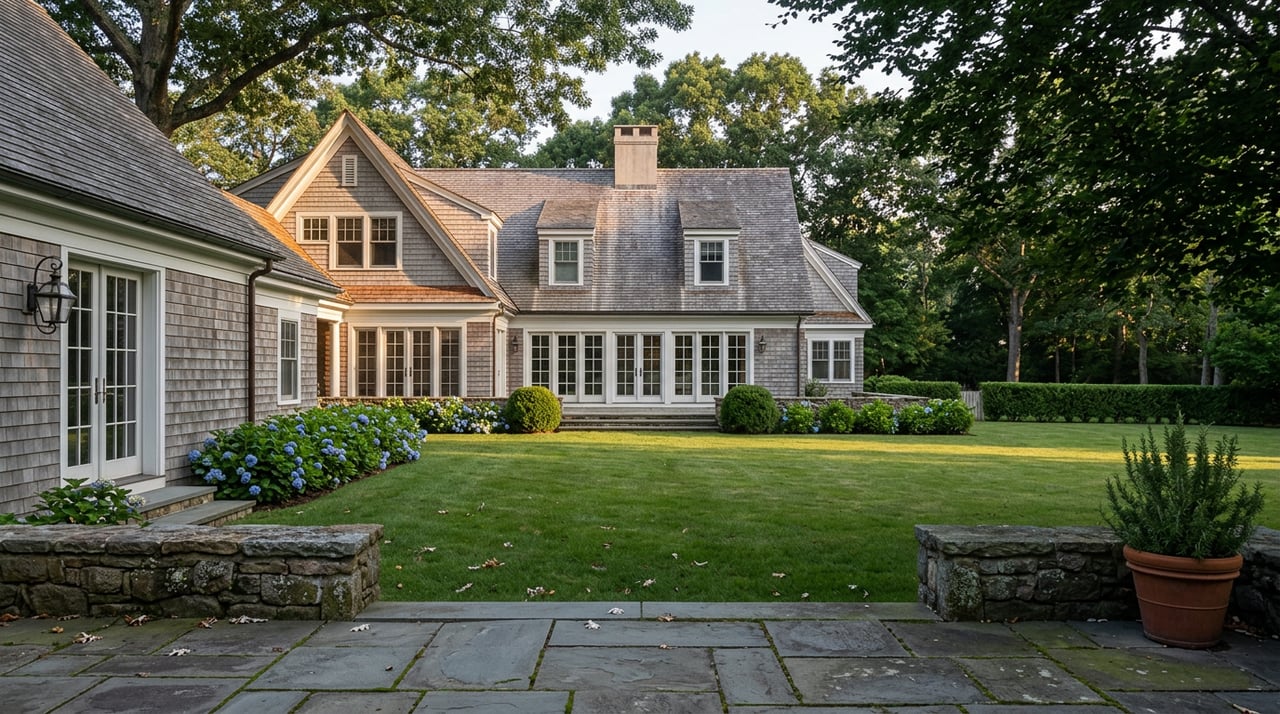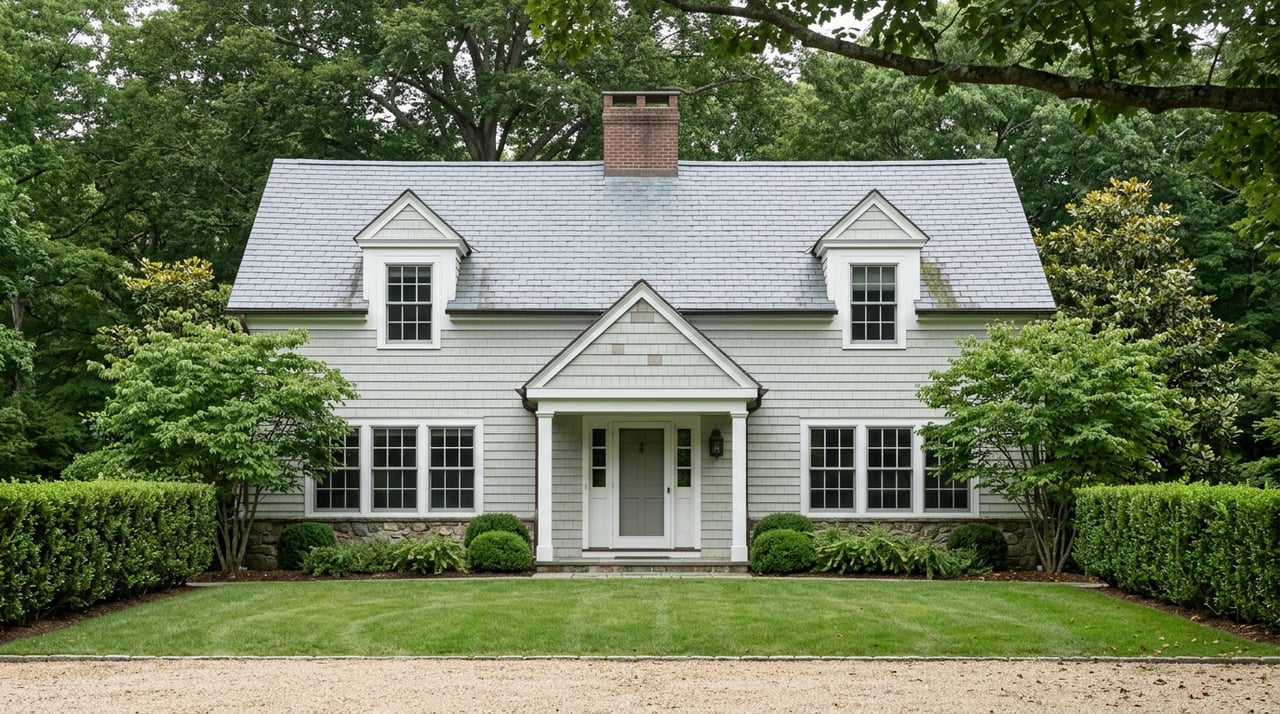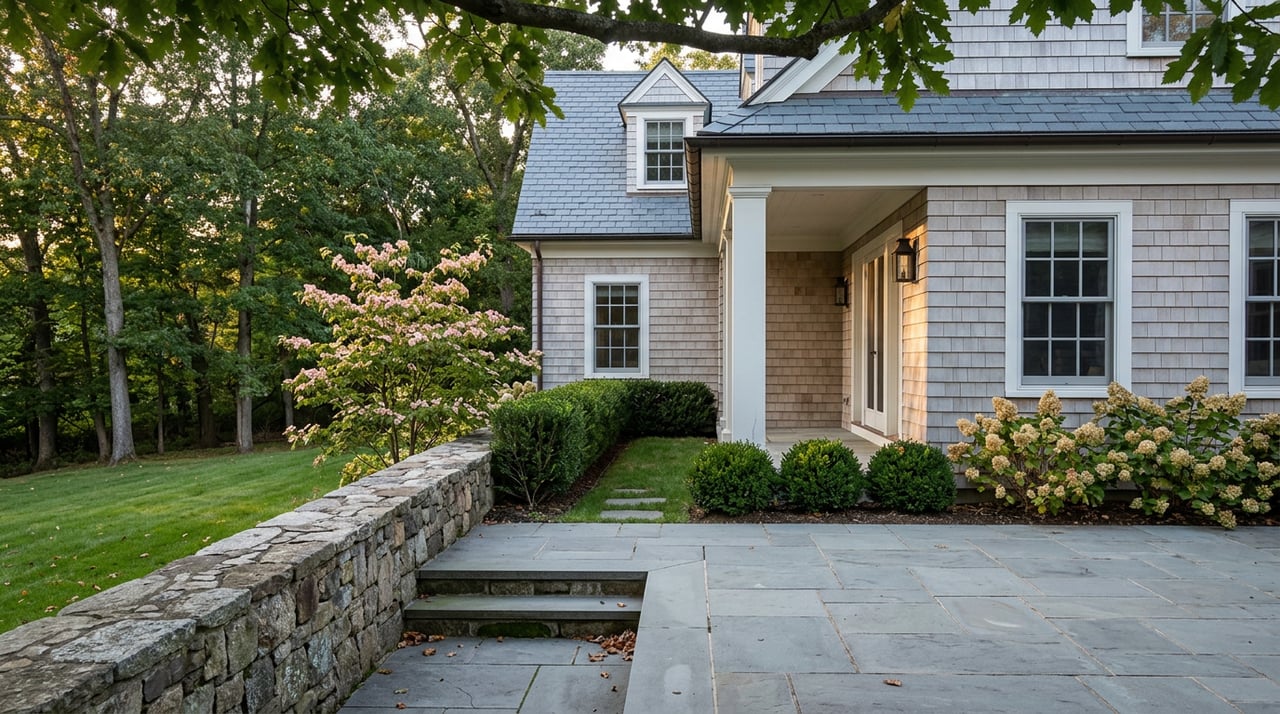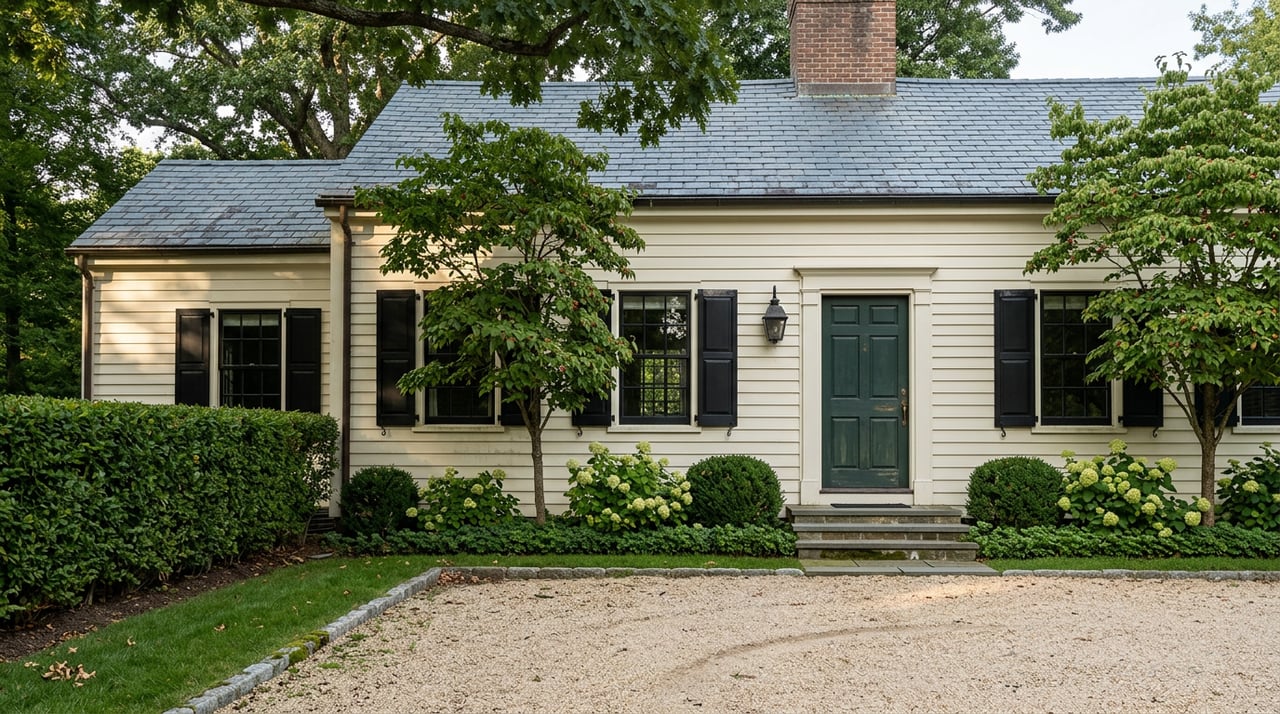
Two houses can both be marketed as sitting "in the heart of Locust Valley," both zoned for the same highly ranked school district, both a five-minute drive from the same train platform, and still be governed by two entirely different villages, each writing its own line on the annual tax bill. Locust Valley itself never incorporated. It has no mayor, no village board, and no village tax roll of its own. The name on the listing sheet describes a hamlet. The tax bill answers to something else entirely.
That gap between the name buyers search for and the government that actually taxes the parcel is the detail worth understanding before comparing two "Locust Valley" homes on price alone.
The line no fence marks
Locust Valley is a hamlet, a census-designated place inside the Town of Oyster Bay, with no independent municipal government. The school district that carries its name, Locust Valley Central School District, does not respect that boundary. According to the Town of Oyster Bay's own tax office, the district serves Bayville, Lattingtown, Mill Neck, Matinecock, Upper Brookville, and parts of Brookville, Muttontown, and Old Brookville, in addition to unincorporated Locust Valley itself. Every one of those places except unincorporated Locust Valley is its own legally separate village, each with a government, a budget, and in most cases an additional village tax.
Nassau County's own property records make the mismatch concrete rather than theoretical. A home with a Locust Valley, 11560 mailing address on Wood Lane is not taxed by any Locust Valley government, because none exists. According to Nassau County's Land Records Viewer, that parcel falls under the Incorporated Village of Lattingtown. A short drive away, a home addressed to Mill Neck sits inside the Incorporated Village of Mill Neck, a separate government with its own budget line. Nothing on the ground marks where one jurisdiction ends and the next begins. The only way to know for certain is to look up the parcel.
This is exactly why listing copy across the North Shore uses "Locust Valley" and the names of its component villages almost interchangeably. A property can be described as sitting in the Village of Matinecock or simply in Locust Valley, and both descriptions can be true of the same house. The school your children would attend does not change. What changes is which additional government sends you a bill every year.
How a Nassau County tax bill actually stacks
A property tax bill anywhere in Nassau County bundles several separate bills into one. The pieces typically break down like this:
| Layer | What it funds | Applies to |
|---|---|---|
| Nassau County | County-wide services, including police | Every parcel |
| Town of Oyster Bay | Town-wide services and highway maintenance | Every parcel |
| School district | Locust Valley Central School District and its campuses, roughly 60 to 70 percent of the total bill | Every parcel in the LVCSD zone |
| Special districts | Water, fire protection, library service | Most parcels |
| Village | Local roads, zoning and building administration, sometimes its own police or public works | Only parcels inside an incorporated village |
Four of those five layers apply to every home in the Locust Valley school zone, whether the parcel sits in an unincorporated pocket of the Town of Oyster Bay or inside an incorporated village. The fifth layer, the village tax, only shows up if the parcel happens to fall inside one of those incorporated boundaries. That's the layer a listing price can't show a buyer, and it's the layer that separates two otherwise comparable homes.
Why the village layer is the swing factor
The North Shore's overall tax burden already sits well above the national norm before the village layer even enters the picture. A Long Island property tax firm's early-2026 review puts the typical annual Locust Valley area tax bill at about $15,500, more than six times the national median near $2,400. Separate county-level data puts the area's effective tax rate at roughly 2.13 percent of assessed value, compared with a national median near 1.02 percent, though still under New York State's own median of 2.39 percent.
That baseline already reflects the county, town, school, and special district layers every property in the district shares. The village layer is what pushes two homes with a similar assessed value apart from there. Incorporated villages across New York set their own annual budgets and, in many cases, run their own zoning and building departments separate from the town's own permitting process. A buyer inside one of those villages is paying, in part, for that separate layer of local government, whether or not they ever need to pull a permit or call the village office.
None of this makes incorporation a downside. Buyers who value tighter zoning control, quieter private roads, or a village government that answers quickly when a tree comes down are often getting exactly what that additional tax funds. The point is that the village layer is a variable, not a constant, and "Locust Valley" as a search term doesn't tell you which side of it a given house sits on.
The question to ask before you write an offer
Before comparing two Locust Valley listings on price alone, ask which specific village, if any, governs the parcel. Nassau County's Land Records Viewer will show the incorporated village on file for any address, along with its current assessment and tax history. It takes a few minutes and can prevent a surprise on the closing statement.
Timing matters here too. Nassau County publishes its tentative assessment roll each January, and the window to file a grievance closes March 1. Assessment notices themselves typically don't reach mailboxes until the middle of May, according to a review of the county's assessment calendar, well after that grievance deadline has already passed. A buyer closing in spring or summer should ask for the most recent assessment notice rather than relying on last year's printed tax bill, since the figure on the listing sheet may already be out of date by the time the deal closes.
A few common questions
Is Locust Valley itself a taxing authority?
No. It has no village government. Taxes on a Locust Valley area home are set by Nassau County, the Town of Oyster Bay, the Locust Valley Central School District, applicable special districts, and, only for parcels inside one, a village government such as Lattingtown, Matinecock, Mill Neck, or Bayville.
Does every home in the school district pay a village tax?
No. Homes in unincorporated pockets of the Town of Oyster Bay pay no village tax at all, while a similar home a short distance away, inside an incorporated village, carries that additional layer on top of the same county, town, and school taxes.
Where can I confirm which village governs a specific parcel?
Nassau County's Land Records Viewer lists the incorporated village, school district, and assessment history for any parcel by address or by section, block, and lot number.
The sticker price on a Locust Valley listing is only the opening question. What government actually taxes the parcel, what that government funds, and how that compares to the house down the road are the details that shape the real cost of ownership. If you're weighing homes across Locust Valley's patchwork of incorporated villages and unincorporated pockets, Cottie Maxwell can walk you through what each parcel is actually governed by before you write an offer. Schedule a private consultation with Cottie to talk through the North Shore villages that fit your plans.