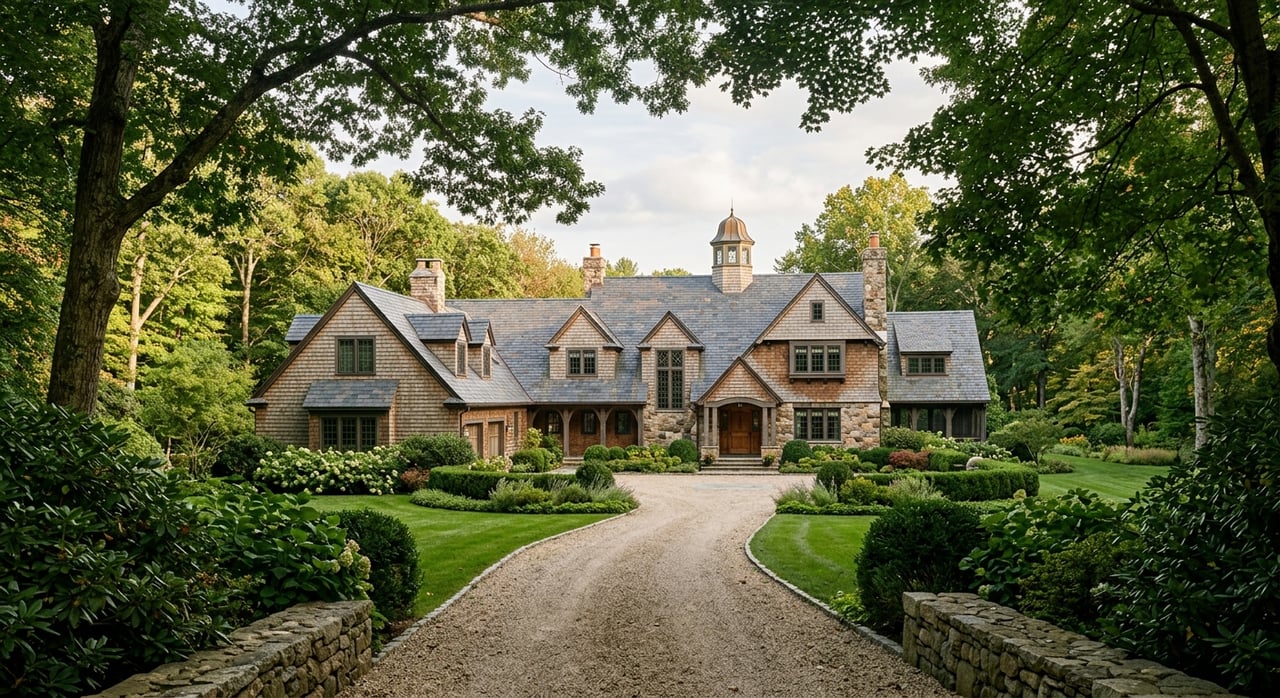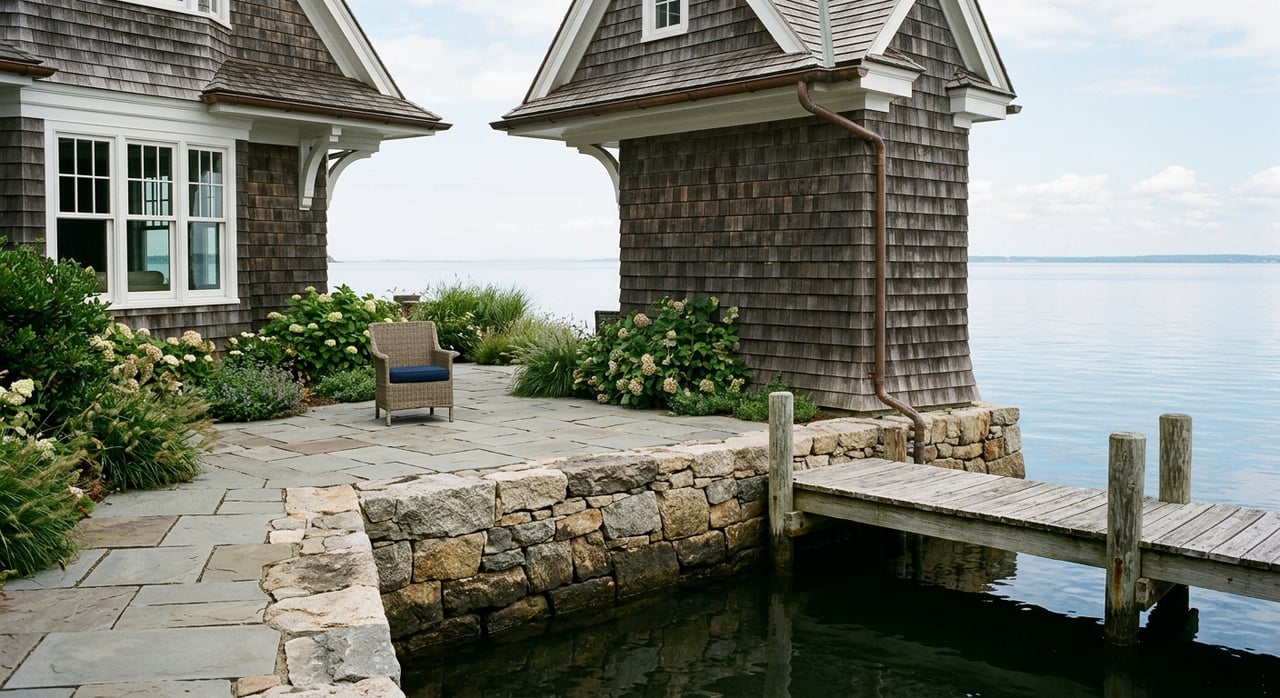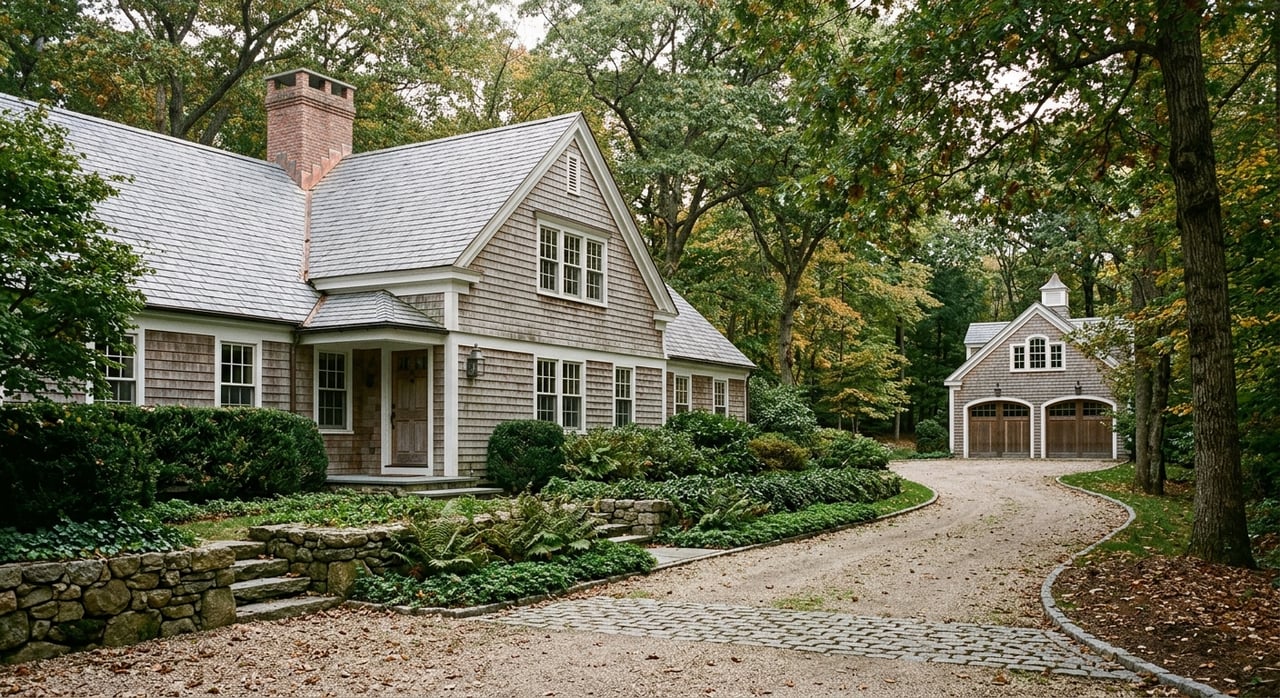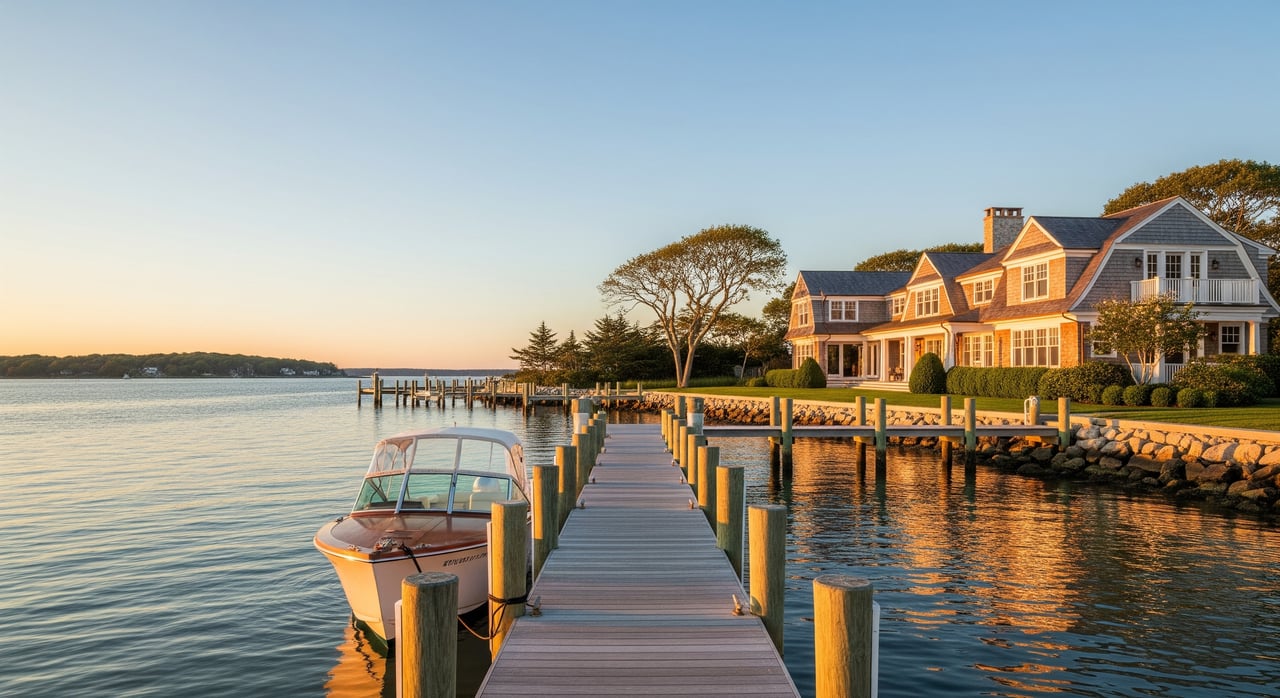
Picture stepping from your lawn onto your boat as the sun rises over Long Island Sound. If that vision draws you to Centre Island, you already know this is one of the North Shore’s most private waterfront settings. Buying here is different from a typical home purchase, though. You will balance tides, docks, permits, and shoreline engineering with lifestyle goals. This guide walks you through what matters, who to call, and how to make a confident decision. Let’s dive in.
Know the shoreline you are buying
Centre Island sits within the Town of Oyster Bay on the North Shore, facing Long Island Sound. Properties line both sheltered coves and more open Sound-facing water. Exposure to wind and waves, boat traffic, and water depth can change in just a few hundred feet. Understanding that micro‑setting helps you match the property to your plans.
Title lines along the shore can be complex. Some deeds reach to the mean high water line, while others stop at a defined upland boundary. Ask a licensed surveyor to confirm your exact shoreline boundary and to identify mean high water and mean low water references on a current survey.
Tides and depths set your boating reality
Long Island Sound has a semidiurnal tide, and the usable water depth at mean low water determines what size boat you can berth and when you can move. Before you fall in love with a dock, have a marine surveyor or experienced captain confirm local depths at low tide and the approach route to the property. Reviewing tide predictions and obtaining recent soundings or a bathymetric check will clarify whether your intended vessel is feasible year round.
Storm surge and flood zones
While the North Shore is generally more sheltered than the ocean side of Long Island, nor’easters and hurricanes can still bring surge and wave action. Check FEMA Flood Insurance Rate Maps to confirm the exact flood zone for the home and compare the Base Flood Elevation to current first-floor elevations. Ask for an elevation certificate or order one with your survey. Look for practical mitigation features such as elevated habitable space, flood vents in lower enclosures, raised or relocated utilities, and backflow prevention on plumbing.
Shoreline structures and erosion
Many estates feature bulkheads, seawalls, or revetments. These are costly to replace and heavily regulated. Hire a coastal or marine engineer to assess condition, design life, and likely permitability of repairs. In lower-energy coves, living shoreline strategies may be possible, but suitability depends on local wave climate and environmental constraints.
Docks, moorings, and marina access
A Centre Island address puts you close to the Oyster Bay boating ecosystem, including marinas, yacht clubs, fuel, haul‑out services, and winter storage. Decide early whether you want on‑site dockage or are comfortable with a mooring or nearby slip.
On‑site options
Private facilities vary: fixed pile-supported docks, floating docks with gangways, finger piers, boat lifts, or a combination. Utilities like electric and water at private docks require specific approvals and proper installation. Pump‑out services are typically at marinas, not at private docks.
Moorings and town rules
The Town of Oyster Bay Harbormaster manages mooring fields, placement, and seasonal rules. Waiting lists may apply and size restrictions can limit vessel type. Confirm whether a mooring is already assigned to the property, what transfer rules apply, and what maintenance and winter removal are required.
Practical dock checks before you bid
- Verify as‑built drawings and historic permits for the dock and any lifts.
- Confirm who holds any submerged land authorization or lease.
- Ask a marine contractor to estimate repair or replacement costs to current standards.
- Test the route at low tide for depth, obstructions, and maneuvering room.
Permits and jurisdictions: who approves what
Waterfront improvements involve overlapping authorities. Plan for sequencing and lead times so you are not surprised by a simple “replace in kind” project that requires multiple sign‑offs.
- Village of Centre Island: building permits, zoning, and any local coastal consistency review.
- Town of Oyster Bay: Harbormaster approvals for moorings and any town-level shoreline rules.
- Nassau County: health and sanitation for septic or sewer considerations.
- New York State: tidal wetlands permits and coastal consistency review. State authorization may be required for structures over state-owned submerged lands.
- U.S. Army Corps of Engineers: permits for work in navigable waters, and for any wetlands impacts.
Submerged lands and state authorizations
In tidal areas, the state typically owns submerged lands. Private docks can require a lease, easement, or specific authorization. Verify whether an existing dock has current state approval and if any transfer steps are needed at closing.
Title, boundaries, and rights on the water
Shorelines change over time. Ask your attorney and surveyor to review how the deed defines the waterfront boundary and whether there are documented riparian rights. Understand how accretion or avulsion may have affected the line over the years. Confirm any easements, private covenants, or homeowners’ rules that might limit docks, boat size, or shoreline work.
Due diligence timeline for Centre Island waterfront
A clear process helps you move quickly while managing risk.
- Discovery and fit
- Clarify your vessel size, draft, and whether you need year‑round dockage or seasonal storage.
- Shortlist locations that match lifestyle preferences for privacy, proximity to marinas, and commuting needs.
- Pre‑offer technical checks
- Engage a licensed surveyor to update the boundary and reference mean high and low water.
- Obtain flood zone data, Base Flood Elevation, and an elevation certificate if available.
- Have a coastal engineer inspect bulkheads, seawalls, and any shoreline stabilization.
- Ask a marine surveyor or local captain to confirm MLW depths at the dock and approach route.
- Legal and title review
- Order a title search that specifically screens for submerged land leases, historic shoreline permits, and recorded easements.
- Confirm septic versus sewer and any county requirements for upgrades.
- Permitting roadmap
- Speak with the Village Building Department and Town Harbormaster about existing approvals, violations, and likely timelines for planned improvements.
- If you plan changes, ask consultants to outline permitability and realistic timeframes.
- Insurance and costs
- Get quotes for flood insurance from both NFIP and private carriers.
- Obtain written estimates for any required dock, bulkhead, or elevation work.
- Offer strategy
- Use contingencies tied to permitability, title findings, and shoreline inspections.
- Align closing timing with seasonal considerations for dock or mooring installation and winter removal rules.
What drives value on Centre Island
- Docking capacity and depth at MLW. Larger, deeper‑draft vessels need more water and sturdier structures, which can command premiums.
- Proximity to Oyster Bay marinas and yacht clubs. Easy access to service, fuel, and community activity increases day‑to‑day convenience and resale appeal.
- Shoreline exposure and privacy. Sheltered coves may be quieter with less wake, while open Sound views feel expansive but see more wave energy.
- Regulatory flexibility. Restrictions on dock size or lack of submerged land authorization can limit use for larger boats, which some buyers factor into pricing.
Your expert team
- Real estate attorney experienced in New York coastal and submerged lands.
- Licensed land surveyor for boundaries and elevation certificates.
- Coastal or marine engineer for bulkheads, erosion, and design feasibility.
- Licensed marine contractor or dock builder with local permitting experience.
- Marine surveyor or local captain for depths and navigation.
- Environmental consultant if wetlands or sensitive habitats are present.
- Title company familiar with riparian rights, accretion history, and dredging easements.
From offer to closing: smart protections
Structure your offer around the realities of the shoreline. Use inspection and permitability contingencies that allow time to confirm depths, dock condition, and regulatory path. Make sure closing dates align with weather windows for marine work and any town deadlines for mooring removal. Document transfer of any existing permits, leases, or approvals so you have a clean handoff at settlement.
Ready to explore Centre Island?
With the right plan and team, you can enjoy Centre Island’s rare blend of privacy, boating access, and North Shore elegance. If you want senior‑level guidance from search to shoreline permits to closing, connect with a local advisor who lives this market every day. Schedule a private consultation with Cottie Maxwell to chart your next steps with confidence.
FAQs
What should first‑time Centre Island waterfront buyers review before touring?
- Ask for recent surveys, dock permits, flood zone details, and any shoreline inspection reports so you can evaluate fit for your vessel and risk tolerance.
How do tides affect which boat I can keep at my dock?
- Usable draft is controlled by mean low water depth at the dock and along the approach; verify depths with soundings and a marine surveyor for your boat’s draft.
Do I need permits to replace an existing dock on Centre Island?
- Yes. Expect approvals from the Village, Town Harbormaster, New York State for tidal wetlands and submerged lands, and the U.S. Army Corps for work in navigable waters.
How can I evaluate flood risk for a specific property in Nassau County?
- Check FEMA flood maps for the zone and Base Flood Elevation, obtain or order an elevation certificate, and get quotes from NFIP and private carriers.
What if a property lacks a dock but I want one?
- Confirm permitability first with the Village and state agencies, assess water depth and environmental constraints, and have a coastal engineer outline a feasible design and timeline.