Salt air, sandy toes, and a tender ride to dinner sound perfect—until you have to choose the right harbor and village to make it real. If you are comparing the North Shore’s waterfront options, the details matter: moorings, launch service, shoreline types, and simple errands shape your day. In this guide, you will see how Centre Island, Oyster Bay Cove, and Laurel Hollow each deliver a distinct waterfront rhythm. You will come away with a clear comparison, plus a checklist to help you buy with confidence. Let’s dive in.
The lay of the land
Centre Island at a glance
Centre Island is a compact, shoreline-first peninsula of about 605 acres with more than four miles of coastline that meets Cold Spring Harbor, Oyster Bay Harbor, and Long Island Sound. The village is small in footprint and big on water access. It also maintains a harbormaster and designated mooring fields, which signals a structured boating culture. You feel close to the water almost everywhere you go. The village’s profile confirms these facts.
Oyster Bay Cove in context
Oyster Bay Cove sits within the broader Oyster Bay Harbor system. The village maintains a small recreation area with resident beach parking, kayak racks, and a mooring-permit program, which gives you practical shoreline access without leaving the neighborhood. Full-service marinas are next door in Oyster Bay village, so you can keep daily life quiet and still plug into big-harbor amenities when needed. You can review the village recreation area and mooring details.
Laurel Hollow’s setting
Laurel Hollow reaches into the inner side of Cold Spring Harbor and is known for wooded, estate-oriented terrain. Waterfront here is often more sheltered, with properties fronting protected water rather than broad, open-sound beaches. The topography and tree canopy contribute to a private, residential feel. For a high-level view of the village geography, see Laurel Hollow’s overview.
Boating access and moorings
Centre Island moorings and fields
If you want immediate access, Centre Island is built for it. The village issues mooring permits and lists named fields, including Seawanhaka, Oyster Bay Harbor, and a West Harbor field with explicit size limits. The application outlines resident versus nonresident categories and approved installers. Expect a formal process and clear rules overseen by the harbormaster, as shown in the village mooring-permit application.
Oyster Bay Harbor marina network
Oyster Bay Harbor functions as the area’s full-service hub. Facilities provide launch service, haul-out, repairs, fuel, and transient moorings, and club programs operate guest moorings and launch schedules in season. For larger vessels and year-round maintenance, the harbor’s infrastructure is a reliable anchor. The Oyster Bay Marine Center overview illustrates the depth of services available.
Cold Spring Harbor options
Cold Spring Harbor’s marinas and club fields are smaller and more sheltered. Many operations comfortably accommodate craft in the smaller-boat range with launch service tuned to local cruising and fishing. If your boating style skews to tenders, runabouts, sailing dinghies, or kayaks, you will find the fit here. For a reference point, see the Powles Marina listing.
Shoreline and home settings
Centre Island: step-to-sand waterfront
Centre Island often features long beachfront parcels, private sandy stretches or bulkheaded shoreline, and estate-scale compounds. It is common to see listings with private dock elements or direct paths to the beach. If you want to wake up to open water and be minutes from club or harbor access, this village puts you on the front line of the coast.
Oyster Bay Cove: estate feel with village access
Oyster Bay Cove offers a mix of waterfront and wooded parcels with generous lot sizes. Many waterfront homes include private docks where permitted, and residents also draw on the village’s small recreation area with kayak racks for low-key launch days. If you value space and calm but still want quick access to Oyster Bay’s marina services, this balance works well. Review the village recreation amenities for a sense of resident shoreline options.
Laurel Hollow: wooded waterfront and sheltered water
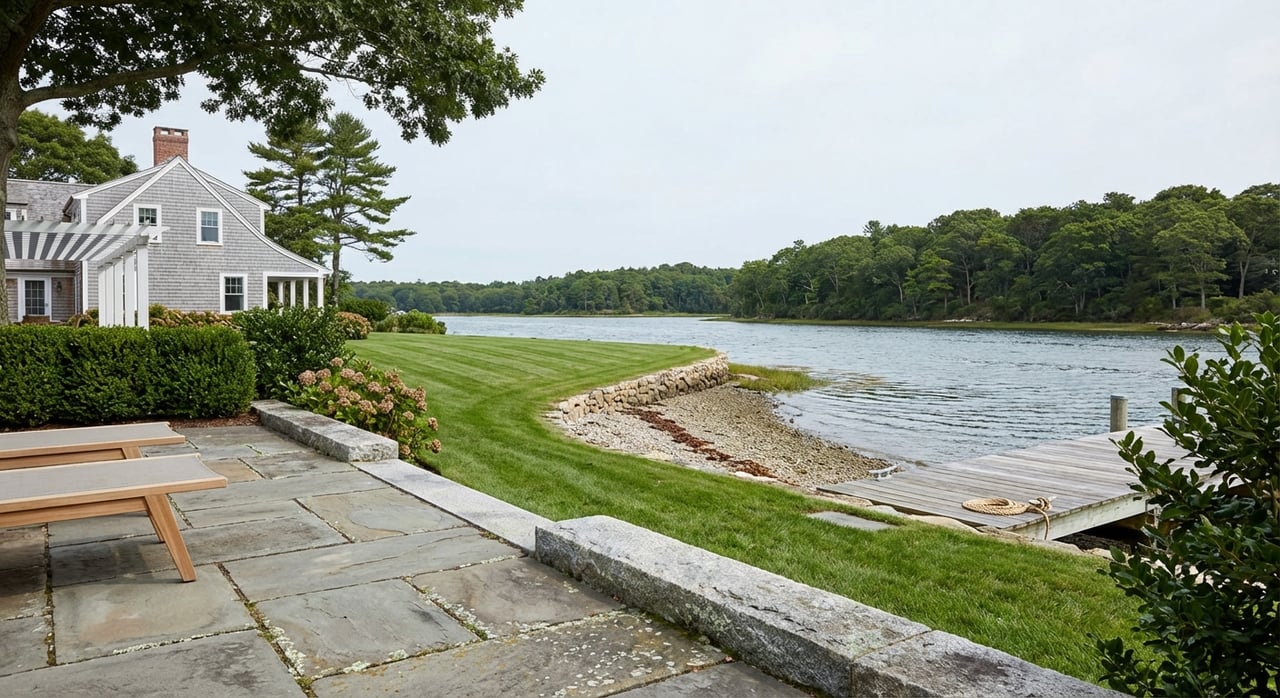
Laurel Hollow’s larger, tree-covered lots create a private, estate-oriented setting. Waterfront here commonly faces protected inlets or lakes and the inner waters of Cold Spring Harbor rather than broad, open beaches. It suits an owner who prefers quiet water access and a home that reads as a retreat in the trees. The village overview provides helpful context.
Daily routines for boat owners
Launch and club access
Seasonal launch service is part of the rhythm across these waters. Yacht clubs publish launch hours and guest policies, and many Centre Island and Oyster Bay boaters rely on launches rather than trailering tenders. If reciprocal access matters to you, check posted policies and hours. For an example of how reciprocity works, review Seawanhaka’s reciprocity page.
Storage, service, and yard capacity
For big boats, Oyster Bay Harbor is the maintenance backbone. It offers haul-out, winter storage, fuel, and full-service work through established yards. Slip and storage demand can be tight in season, so plan early and confirm capacity. Smaller boats are well served within Cold Spring Harbor marinas and club fields, but most heavy yard work happens in Oyster Bay’s network. See the Oyster Bay Marine Center summary for a sense of services.
Town access and commuting
Oyster Bay village is the local commercial hub for errands and dining. By car, Centre Island and Oyster Bay Cove residents typically flow into town, and many boaters also ride the launch into the harbor and then head ashore. For rail, the Oyster Bay station page outlines the Oyster Bay Branch service many residents use, while addresses in Laurel Hollow may lean toward the Port Jefferson Branch at Cold Spring Harbor.
Who each place fits
- Centre Island: You want an on-water-first lifestyle with immediate exposure to the bay and Sound, plus village-managed mooring fields and club access. You are comfortable with a formal permit process and the maintenance that comes with direct waterfront.
- Oyster Bay Cove: You prefer a quieter, estate-like setting with village-managed shoreline amenities and quick access to Oyster Bay’s full-service marinas. You want land and calm, but not at the expense of boating convenience.
- Laurel Hollow: You value privacy, acreage, and sheltered-water boating for smaller craft. You are comfortable trading dock-and-dine immediacy for a woodland setting and protected harbor access.
Buyer due-diligence checklist
Use this list to confirm the operational details before you make an offer:
- Mooring rights and permits: Clarify if a dock or mooring conveys, or if you only hold the right to apply. Centre Island’s rules and approved installers are spelled out in the village mooring application.
- Field capacity and logistics: Ask about waiting lists, seasonal launch hours, and size limits in your preferred field. Verify who maintains the tackle and how service is scheduled.
- Shoreline structure: Identify whether you have bulkhead, sandy beach, or marsh edge. Village codes govern docks and floats, and permits may be required for repairs. Review anchoring and mooring provisions in the local code reference.
- Boat size vs. harbor depth: Match your planned LOA and draft to the harbor or marina where you will keep the boat. Oyster Bay supports larger vessels, while Cold Spring Harbor often suits smaller craft.
- Sanitation rules: Oyster Bay waters carry no-discharge designations with pump-out services available. Confirm availability and service areas through state guidance on pump-out rules.
- Winter storage: Check haul-out, storage capacity, and timing. Oyster Bay’s yards are the most extensive nearby, and demand is seasonal. Reserve early.
- Club access: If membership or reciprocity is key, confirm guest-mooring policies and launch hours directly with the club before you buy.
A smart path to the right shoreline
Choosing between these villages is less about a single “best” and more about your daily rhythm. If you want to step onto the sand and be a launch ride from a yacht club, Centre Island will feel like home. If you want acreage with quiet village access to the harbor, Oyster Bay Cove offers that blend. If your ideal day is a peaceful paddle or a short hop in sheltered water, Laurel Hollow fits that pace.
If you are weighing a waterfront purchase, local knowledge is your edge. Permits, mooring fields, and marina capacity shift with the seasons. You deserve a senior advisor who will navigate those details and protect your timeline.
Ready to explore the right shoreline for your life? Schedule a private consultation with Cottie Maxwell to compare properties, mooring options, and timing tailored to your goals.
FAQs
What makes Centre Island different for boaters?
- Centre Island runs village-managed mooring fields with a formal permit process and direct access to Oyster Bay Harbor and club launches, which streamlines daily use.
Where do larger yachts find full-service support nearby?
- Oyster Bay Harbor offers the deepest bench of services, including haul-out, fuel, repairs, and transient moorings through established marinas and clubs.
How does Laurel Hollow’s boating scene compare?
- Laurel Hollow leans toward sheltered-water access in Cold Spring Harbor with smaller marinas and club fields that suit tenders, runabouts, and kayaks.
Do I need special permits for docks or moorings?
- Yes. Villages regulate docks and moorings, and you should verify permit requirements, mooring-field rules, and any approvals needed for shoreline structures before buying.
What rail options serve these villages?
- Many Centre Island and Oyster Bay Cove residents use the LIRR’s Oyster Bay Branch, while addresses in Laurel Hollow often use the Port Jefferson Branch at Cold Spring Harbor.