Staring at a classic Locust Valley estate and wondering if you should honor its past or start fresh? You are not alone. On the North Shore, the choice to restore or rebuild shapes both lifestyle and long-term value. In this guide, you will learn how buyers perceive each path, what resale looks like in Locust Valley, the permits and approvals to expect, core cost and risk factors, and a practical framework to decide. Let’s dive in.
Locust Valley market essentials
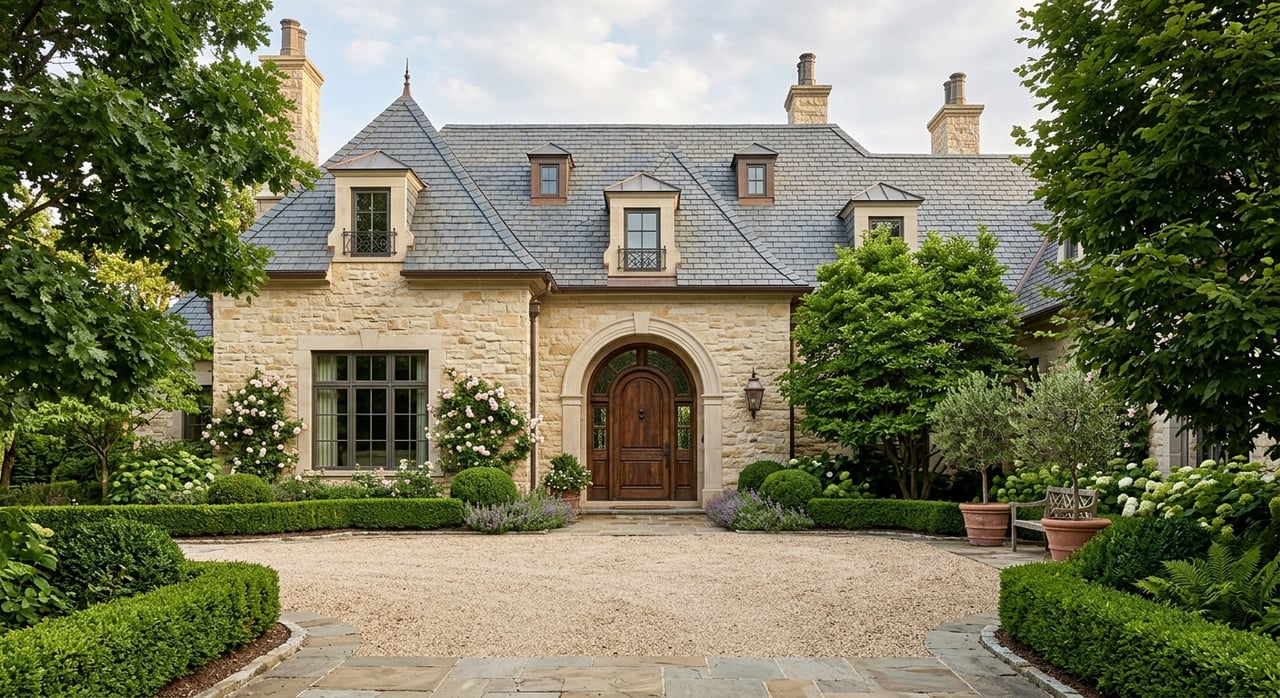
Locust Valley sits on Nassau County’s North Shore, where large lots, privacy, and architectural character hold real weight with buyers. The pool includes affluent commuters, second-home buyers, downsizers, and local families who want established neighborhoods. Value often hinges on lot size and privacy, authentic curb appeal, modern kitchens and mechanicals, village convenience where applicable, and commuting access to regional hubs.
Comparable sales in nearby streets matter. If surrounding homes carry historic gravitas, a thoughtful restoration can stand out. In pockets where modern luxury and open layouts set the tone, a new build can command a premium. Reading the neighborhood correctly is the foundation of a sound decision.
Buyer perception: restore vs rebuild
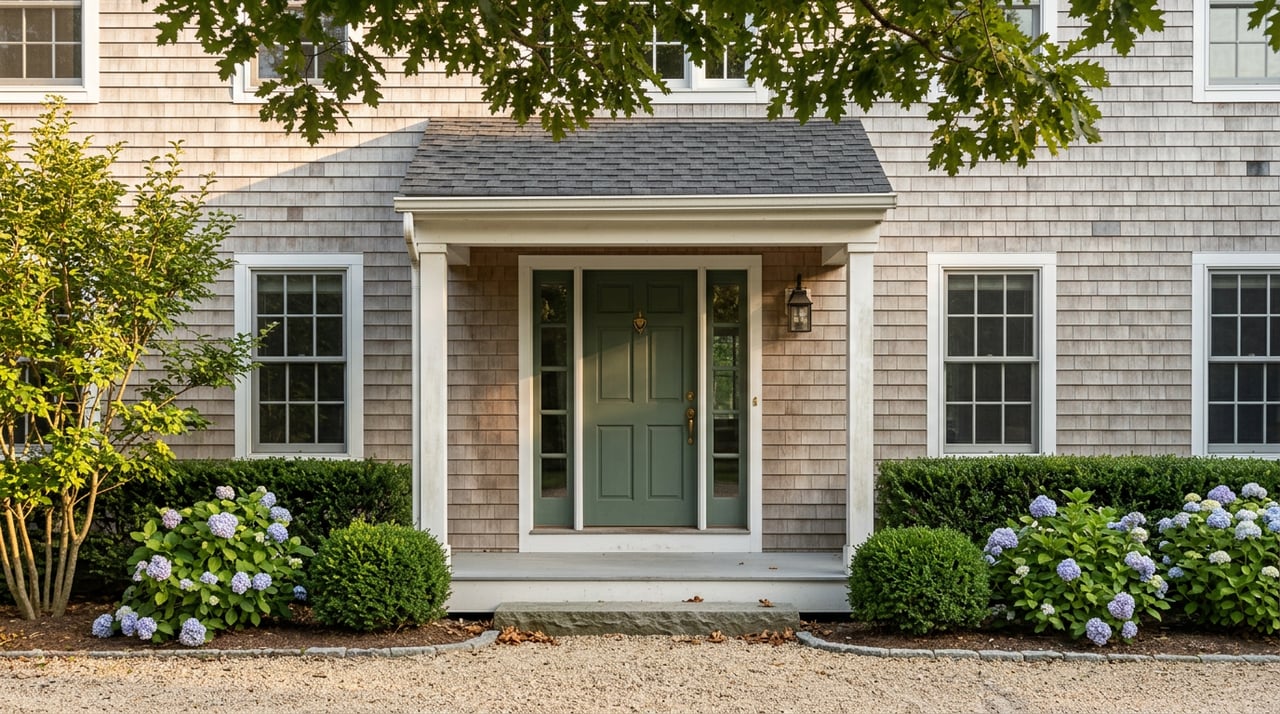
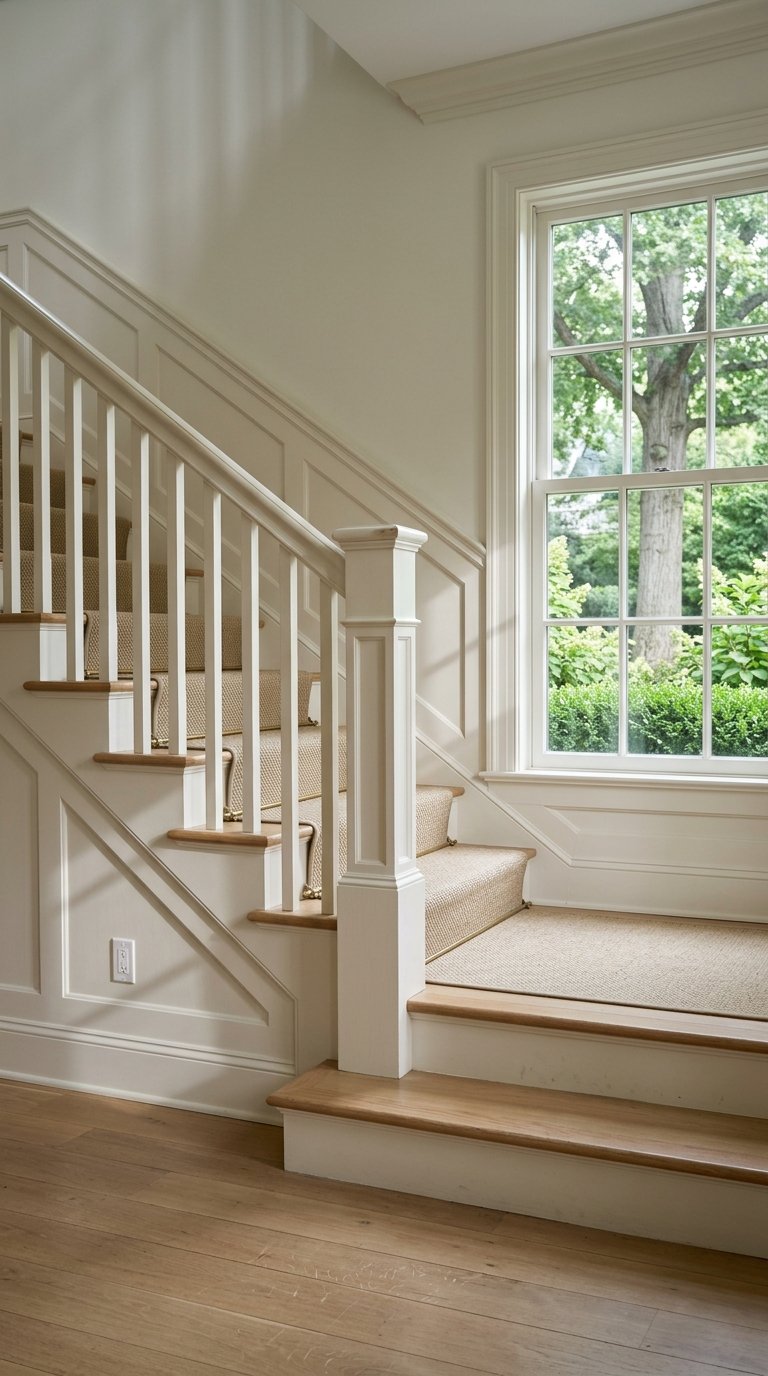
Restored homes feel unique. Original millwork, staircases, and exterior massing speak to provenance. Buyers who value authenticity are drawn to these details, especially when upgrades to kitchens, baths, HVAC, and electrical are integrated without losing character.
Rebuilt homes attract buyers who prioritize open plans, energy performance, and worry-free systems. New construction can deliver better efficiency and fewer immediate maintenance needs. Your audience determines the value story you will tell.
Resale dynamics to expect
Restoration can preserve or increase value when the home’s historic features are recognized neighborhood assets. Results are strongest when restoration addresses deferred maintenance and adds modern convenience while keeping the home’s soul intact.
Rebuilds can maximize usable square footage and efficiency, often producing a higher price per finished square foot in areas that favor contemporary luxury. The trade-off is the potential loss of buyers who prize provenance and original fabric.
Time matters too. Full rebuilds typically require longer permitting and construction timelines. Restorations can be phased, but hidden conditions like rot or hazardous materials can delay completion and increase holding costs. Model your timing as closely as your dollars.
Regulations and approvals
Start with the Town of Oyster Bay Building Department and Nassau County agencies to confirm zoning and coverage limits. Zoning controls setbacks, height, lot coverage, and accessory structures, which affects rebuild scope and site planning.
Check for historic district or landmark status on the property or nearby properties. Local historic review can guide or limit exterior changes and influence the timeline. Major structural repairs, demolition, and new construction require permits, stamped plans, and inspections. Engage the Town early to clarify a permit path and expected reviews.
Costs and risks to plan for
Restoration cost drivers often include hazardous material remediation, structural stabilization, selective system replacement, and custom replication of historic details. Concealed conditions like termite damage or rot can shift budgets midstream.
Rebuild cost drivers include demolition and debris removal, new foundation and utilities, full code compliance, site drainage, and landscape restoration. High-quality custom builds on constrained sites can carry premiums.
On the North Shore, specialized trades for historic finishes can be scarce, which influences pricing and schedules. Per square foot, deep restorations can be costly when custom work is extensive. Rebuilds can achieve cost efficiency with standardized methods, but land value and allowable density will cap the upside.
Technical priorities that protect value
Start by confirming structural integrity with a licensed engineer. If the bones are sound, a surgical restoration can be more efficient than a full replacement. Early systems upgrades to electrical, plumbing, and HVAC improve buyer appeal and reduce future operating costs.
Energy performance is usually stronger in new builds, but restorations can add insulation and efficient systems where feasible without erasing character. Code compliance, egress, and safety standards may require design adjustments. Plan for professional surveys early to reduce surprises.
Decision framework for Locust Valley
Follow a methodical process so emotions and assumptions do not drive outcomes.
Step A: Diagnostic and market validation
- Commission a structural and systems inspection plus hazardous materials testing.
- Pull comparable sales for restored homes and recent new construction in Locust Valley and nearby North Shore villages. Track price, days on market, and finished features.
- Verify zoning, lot coverage, setbacks, and any historic review triggers with the Town and County.
Step B: Define objectives and constraints
- Clarify whether you are an investor or an owner-occupier, along with time horizon and goals.
- Set a budget ceiling and contingency. Older homes often warrant 15 to 25 percent.
- Establish a target timeline from purchase through completion and sale or move-in.
Step C: Cost and value modeling
- Build two scenarios: Restoration and Rebuild.
- Itemize scope, hard costs, soft costs, holding costs, and likely tax or insurance changes.
- Estimate resale value from matched comparables. Calculate net return or owner value.
Step D: Regulatory and incentives check
- Confirm permit steps, design review, and realistic timelines with local offices.
- Consult the New York State Historic Preservation Office for potential incentives.
- Ask the County Assessor about likely reassessment outcomes after improvements.
Step E: Decision criteria matrix
- Market fit and potential historic premium: high weight.
- Structural feasibility: high weight.
- Cost differential: high weight.
- Permit and regulatory risk: medium weight.
- Time to market and carrying cost: medium weight.
- Owner preference and lifestyle use: low to medium weight.
Step F: Implementation plan
- Hire an architect experienced in historic work for restoration or in sensitive infill for new builds.
- Select a contractor with North Shore experience and relevant references.
- Establish a project manager role and a clear change-order process.
- Plan market outreach as completion nears to reduce days on market.
When restoration makes sense
Choose restoration when the surrounding neighborhood celebrates historic architecture and your property has strong, recoverable features. If engineering confirms sound structure and you can integrate modern systems without compromising character, restoration often protects value.
Restoration also fits if you want to phase work while living in the home. Strategic sequencing lets you handle essential systems first, then move to finishes and exteriors. Keep documentation of repairs and upgrades to support buyer confidence.
When rebuilding makes sense
Rebuild when the structure is compromised, layout cannot meet modern needs, or zoning allows a more functional footprint within coverage limits. New construction can deliver open flow, higher efficiency, and reduced near-term maintenance.
If nearby sales show buyer preference for contemporary luxury and technology, a well-executed new build can command a premium. Confirm your timeline and financing since full permits and construction usually run longer.
Timeline and process tips
Begin with diagnostics before closing if possible, or immediately after. Lock in your architect and contractor early and align on scope to avoid drift. Set milestone reviews for structure, envelope, utilities, and finishes.
Factor in lead times for specialty items and inspections. For investors, time to market and carrying costs can swing outcomes more than line-item construction savings. For owner-occupiers, a realistic move-in plan reduces stress and change orders.
Next steps
The right path in Locust Valley depends on your target buyer, your appetite for risk, and what the lot and structure will allow. With a clear framework, you can honor the area’s character while optimizing value for your goals.
If you are weighing a specific property or preparing to sell, a local, senior-level perspective can help you read the comps, understand permit paths, and calibrate scope to demand. Schedule a private consultation with Cottie Maxwell to talk through your options in confidence.
FAQs
What permits are required in Locust Valley for rebuilds?
- Expect building permits, stamped plans, and inspections through the Town of Oyster Bay, with site and zoning compliance reviews that define allowable size and placement.
How do buyers in Locust Valley view restored homes?
- Many value authenticity and original details, provided key systems and kitchens or baths are upgraded in a way that respects the home’s character.
When does a rebuild bring higher resale?
- When neighborhood comparables favor modern layouts and efficiency, and zoning allows a functional footprint that suits today’s luxury buyer expectations.
Do historic tax credits apply to single-family homes?
- Federal rehabilitation credits generally apply to certified historic structures used for income-producing purposes, not to typical owner-occupied single-family homes.
How large should my renovation contingency be?
- Older homes with unknowns often warrant a 15 to 25 percent contingency, scaled to the level of invasive work and the results of early testing.
Will a major renovation trigger reassessment?
- Significant improvements or new construction can lead to property tax reassessment, so confirm local practices with the Nassau County Assessor before you commit.