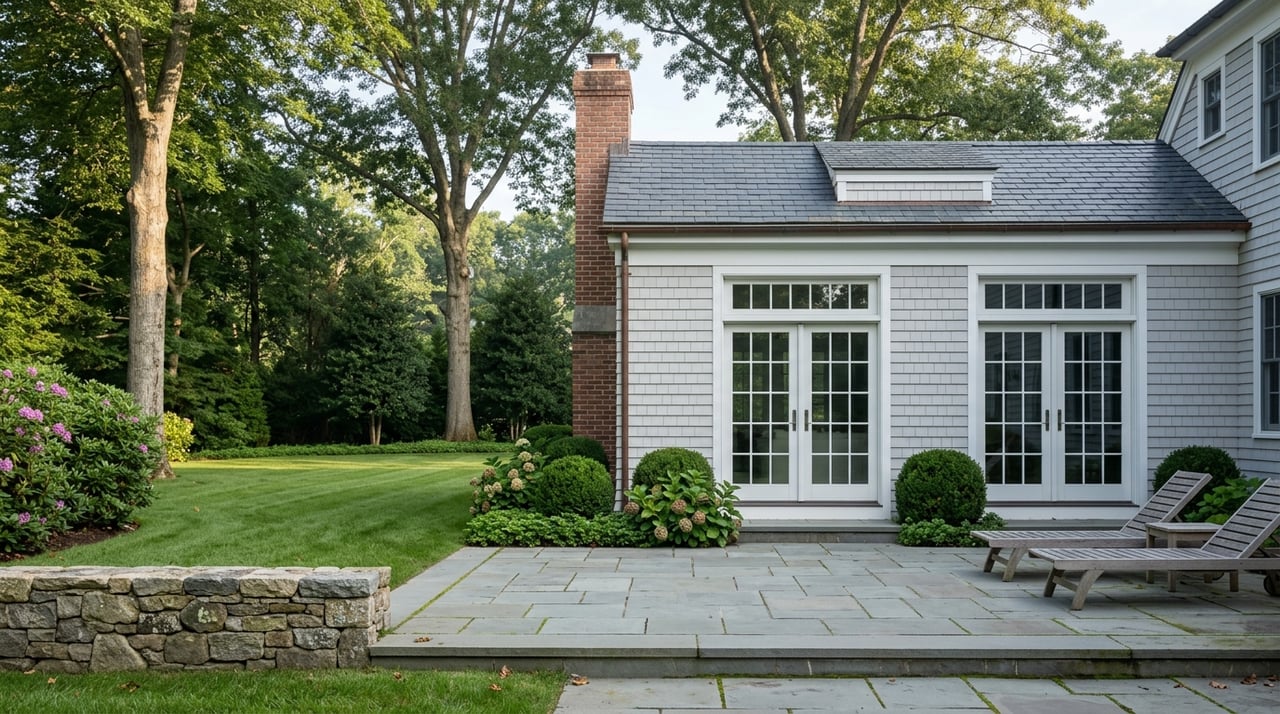
If you are drawn to privacy, space, and a quieter North Shore setting, Laurel Hollow stands out right away. Life here is not built around a busy downtown or a packed calendar of commercial activity. Instead, it tends to revolve around wooded roads, large residential lots, shoreline access, and a steady sense of calm. If you are wondering what day-to-day life actually feels like in Laurel Hollow, this guide will help you picture the rhythm more clearly. Let’s dive in.
Laurel Hollow feels quiet and tucked away
Laurel Hollow is a very small village in Nassau County, with about 1,940 residents and roughly 600 single-family dwellings. The village is low density by design, with a 2-acre minimum lot size that shapes the entire residential experience.
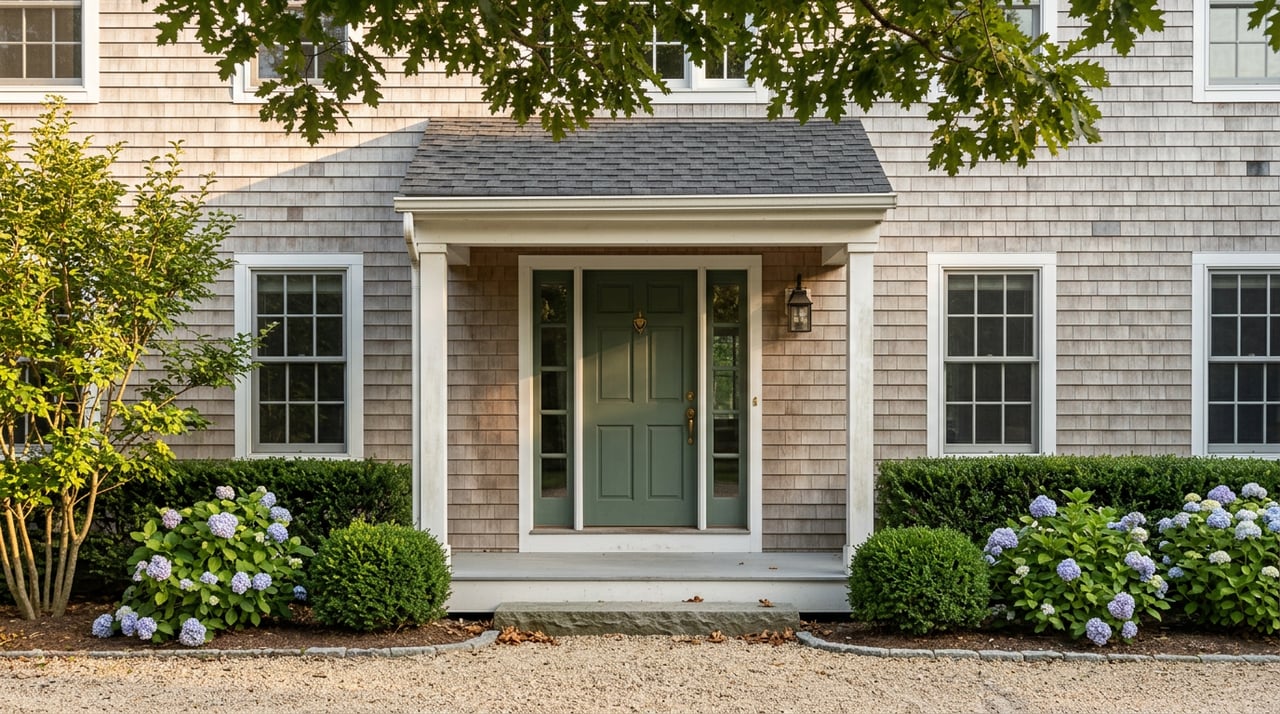
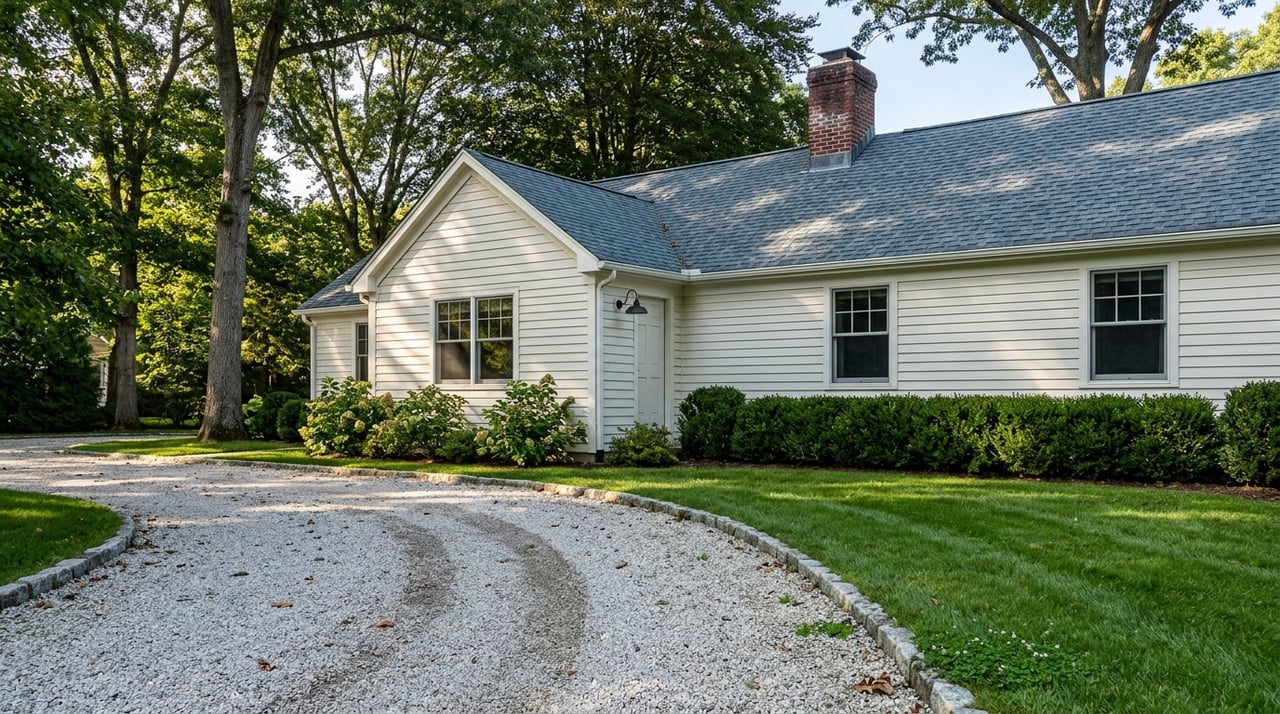
That scale creates a setting that often feels private and spread out. You are less likely to experience the pattern of tightly grouped homes and constant commercial traffic found in more conventional suburban centers. Instead, the atmosphere tends to feel residential, wooded, and intentionally low-key.
Daily life centers on home and setting
Because Laurel Hollow is exclusively zoned for single-family residential use, the day-to-day experience is closely tied to home life. The village report lists only a limited set of nonresidential uses, including Village Hall, an elementary school, one church, the Cold Spring Harbor Fish Hatchery, a cemetery, a police booth, a flower shop, a highway facility, and the Cold Spring Harbor Laboratory campus.
In practical terms, that means your routine is not likely to unfold around shopping plazas or an in-village commercial strip. The setting encourages a home-centered lifestyle, where the property itself, the land around it, and the surrounding landscape play a major role in how each day feels.
Large lots shape the experience
The 2-acre minimum lot size does more than affect home placement. It also influences how the village feels from the road and from one property to the next.
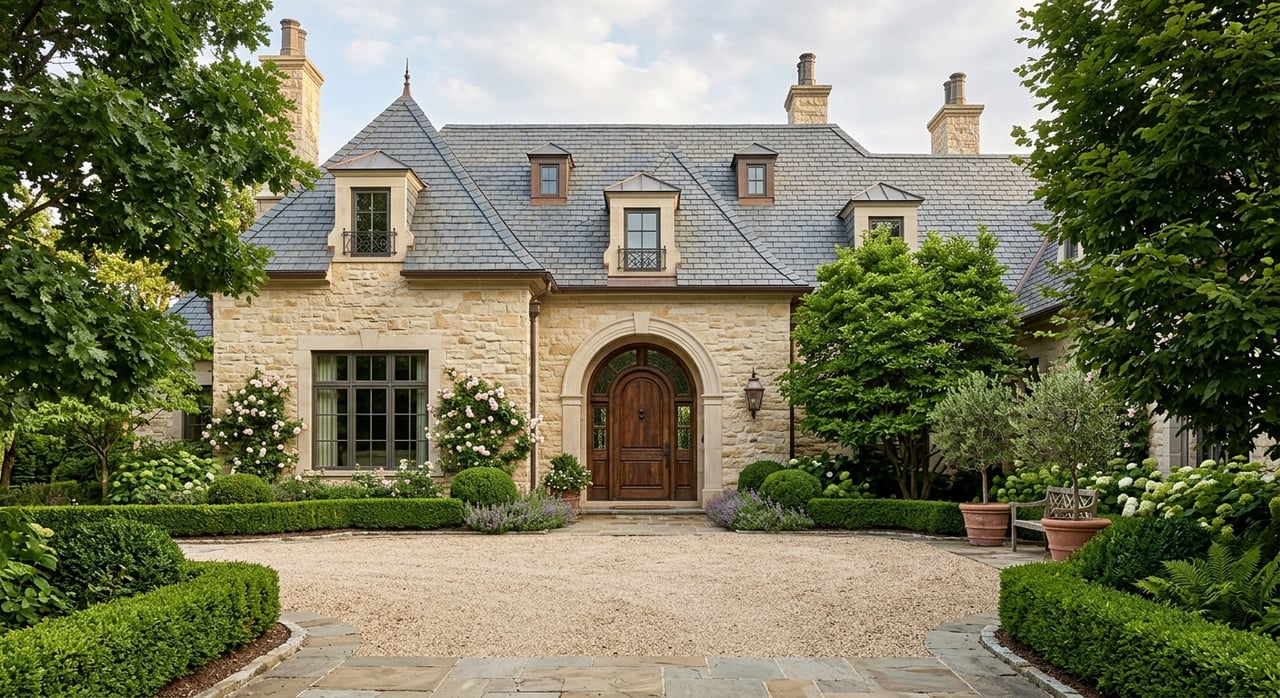
Homes in Laurel Hollow are typically part of a broader estate-style pattern, with detached residences set on generous land. Based on the village’s zoning and history, the housing stock is best understood as estate-scale single-family homes, often with mature landscaping, larger setbacks, and a stronger sense of separation between neighboring properties.
For you, that can translate to a slower and more spacious daily rhythm. Arrival often feels more deliberate, and the setting around a home can feel just as important as the home itself.
Roads and driving matter here
One of the most practical parts of living in Laurel Hollow is that it is car-oriented. Route 25A bisects the village, and most other roads are privately owned, according to village reporting.
That road pattern reinforces the village’s tucked-away feel. You are moving through a place where internal roads and access matter, and where the experience is shaped less by through-traffic and more by residential circulation. For many buyers, that supports the sense of retreat that makes Laurel Hollow appealing in the first place.
Beach and harbor life are part of the rhythm
Laurel Hollow has more than 10,000 feet of shoreline on Cold Spring Harbor, and that waterfront presence is not just scenic background. It is part of the village’s daily identity.
Laurel Hollow Beach is village-operated, with a resident-focused system for use and access. The beach is open from Memorial Day through Labor Day, from 10:00 a.m. to 6:00 p.m. when lifeguards are on duty, and permits are required year-round for beach parking, dinghy and kayak storage racks, and mooring.
That means harbor life comes with structure as well as enjoyment. If you are someone who values shoreline access, boating routines, or time near the water, those elements can become part of your seasonal pattern in a very real way.
Boating is seasonal and organized
The village outlines a clear framework for mooring and vessel timing. Mooring itself does not require payment, but residents must work through an approved mooring contractor, and vessels may not be placed before April 15 and must be removed by December 15.
For residents who enjoy boating, that creates a predictable seasonal cadence. The waterfront experience is available, but it is managed carefully and with local rules that shape how people use it throughout the year.
Stewardship is part of harbor culture
Life near the harbor in Laurel Hollow is not only recreational. It also includes a community stewardship element through the North Shore oyster gardening program.
The village says the program has operated since 2017 with the Oyster Bay/Cold Spring Harbor Protection Committee, Friends of the Bay, nearby towns and villages, Cornell Cooperative Extension, and many residents. Participants clean and measure oysters during the season and finish the year with an oyster roast.
That detail says a lot about the feel of the community. In Laurel Hollow, the waterfront is not just something to look at or use. For many residents, it is also something to help care for.
History still shapes the atmosphere
Laurel Hollow carries a strong estate-era identity. The village history notes that much of the northern part of the village sits on land that was once Louis Comfort Tiffany’s Laurelton Hall estate.
You can feel that legacy in the overall character of the area. Even without focusing on any one home, the village reads as a place where land, privacy, and architectural presence have long mattered. That history helps explain why Laurel Hollow often feels distinct from more standardized suburban neighborhoods.
Nearby Cold Spring Harbor fills in the extras
Laurel Hollow does not function like a village built around its own busy commercial center. For small outings and a change of pace, nearby Cold Spring Harbor helps fill that role.
Cold Spring Harbor’s Main Street provides the closest village-scale center, and its rhythm leans more local, historic, and cultural than large-scale retail. The Whaling Museum & Education Center is located at 301 Main Street, and the Cold Spring Harbor Main Street Association supports local business owners.
For you, that means quick outings nearby can feel more like a village stroll than an errand run through a commercial corridor. It adds a useful contrast to Laurel Hollow’s more residential, inward-looking setting.
Cultural outings feel close at hand
The Whaling Museum describes itself as a small museum with a big story and offers exhibits and programming for all ages. That kind of nearby destination adds texture to everyday life without changing Laurel Hollow’s quiet character.
Instead of relying on entertainment inside the village itself, residents often have access to modest, close-to-home outings that feel connected to the history and identity of the North Shore.
Cold Spring Harbor Laboratory adds another layer
Cold Spring Harbor Laboratory is also part of the local landscape. Official village materials describe the campus as about 110 acres of biomedical research and education space within Laurel Hollow.
The laboratory says it was founded in 1890 and now includes work in cancer, neuroscience, plant biology, and quantitative biology, along with a graduate school and the DNA Learning Center. Its public events program includes tours, lectures, and concerts.
That gives Laurel Hollow an added dimension. The area is quiet and residential, but it is not disconnected from intellectual and cultural activity. Public programming from the laboratory can be part of the broader local rhythm.
What day-to-day life often feels like
Put all of these pieces together, and Laurel Hollow tends to feel private, spacious, and grounded in place. The village is shaped by large residential lots, mature landscapes, private roads, and shoreline access rather than by storefront density or constant public activity.
For many people, daily life here feels calm and home-centered. You may spend more time thinking about property setting, harbor access, and nearby village outings than about what is around the corner on a commercial block.
That lifestyle is not for everyone, and that is exactly the point. Laurel Hollow offers a distinctive North Shore experience for those who value privacy, land, and a quieter connection to the water and surrounding landscape.
If you are considering a move to Laurel Hollow or preparing to sell a home here, local context matters. The village’s setting, housing pattern, and waterfront structure all shape how buyers experience it. For tailored guidance on Laurel Hollow and the North Shore Gold Coast, schedule a private consultation with Cottie Maxwell.
FAQs
What is the general lifestyle in Laurel Hollow, NY?
- Laurel Hollow generally feels quiet, private, and residential, with large single-family lots, wooded surroundings, and a home-centered daily routine.
Does Laurel Hollow, NY have a downtown area?
- Laurel Hollow is not organized around a busy in-village commercial center, so residents often look to nearby Cold Spring Harbor for village-scale outings.
What types of homes are common in Laurel Hollow, NY?
- The village is exclusively zoned for single-family residential use, and the housing pattern is best understood as estate-scale detached homes on large lots.
Is beach access part of life in Laurel Hollow, NY?
- Yes, Laurel Hollow Beach is part of village life, with seasonal beach operations and year-round permit requirements for parking, storage racks, and mooring.
What should buyers know about boating in Laurel Hollow, NY?
- Boating access is structured by local rules, including approved mooring contractor requirements and a seasonal vessel placement window from April 15 to December 15.
What is near Laurel Hollow, NY for local outings?
- Nearby Cold Spring Harbor offers village-scale destinations such as Main Street, the Whaling Museum & Education Center, and public programs connected to Cold Spring Harbor Laboratory.