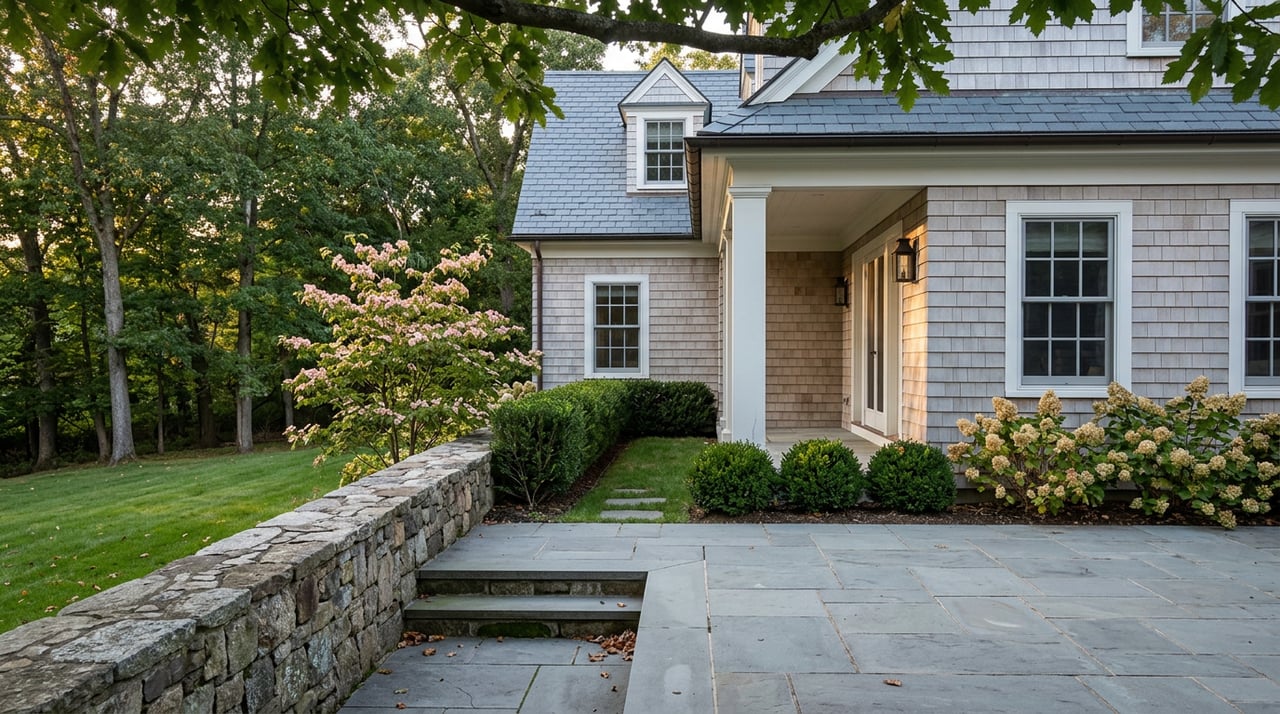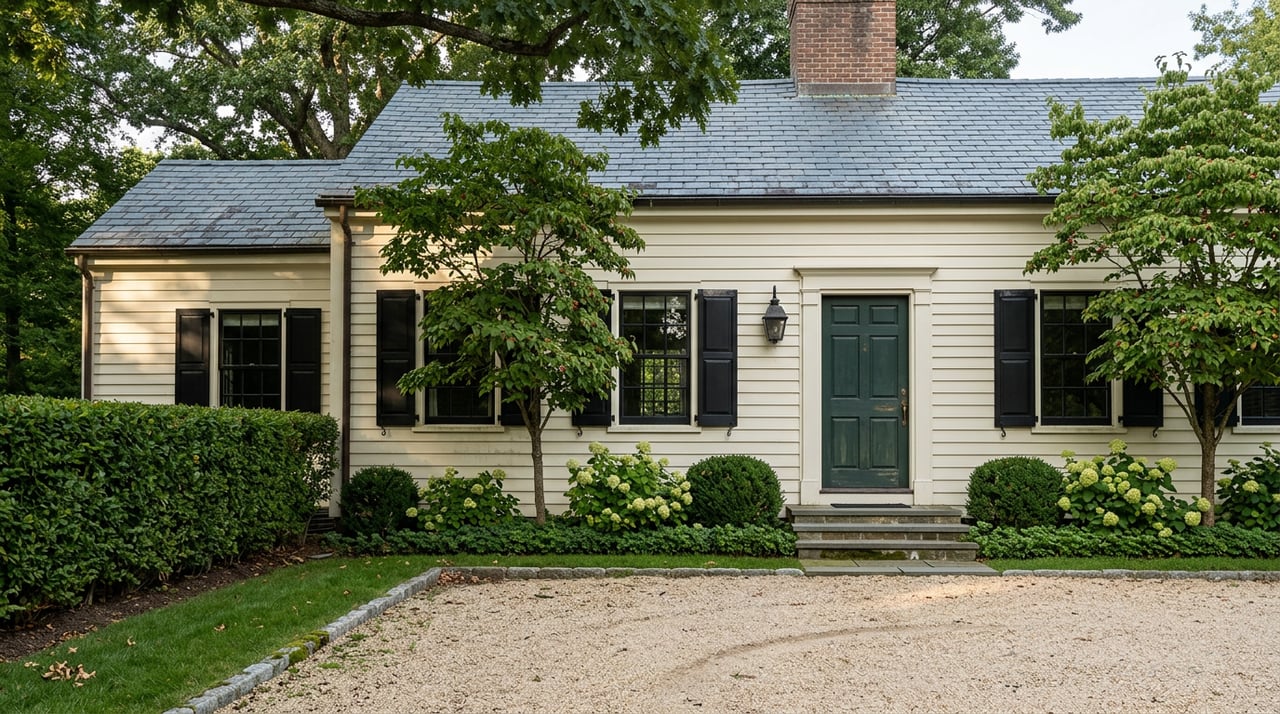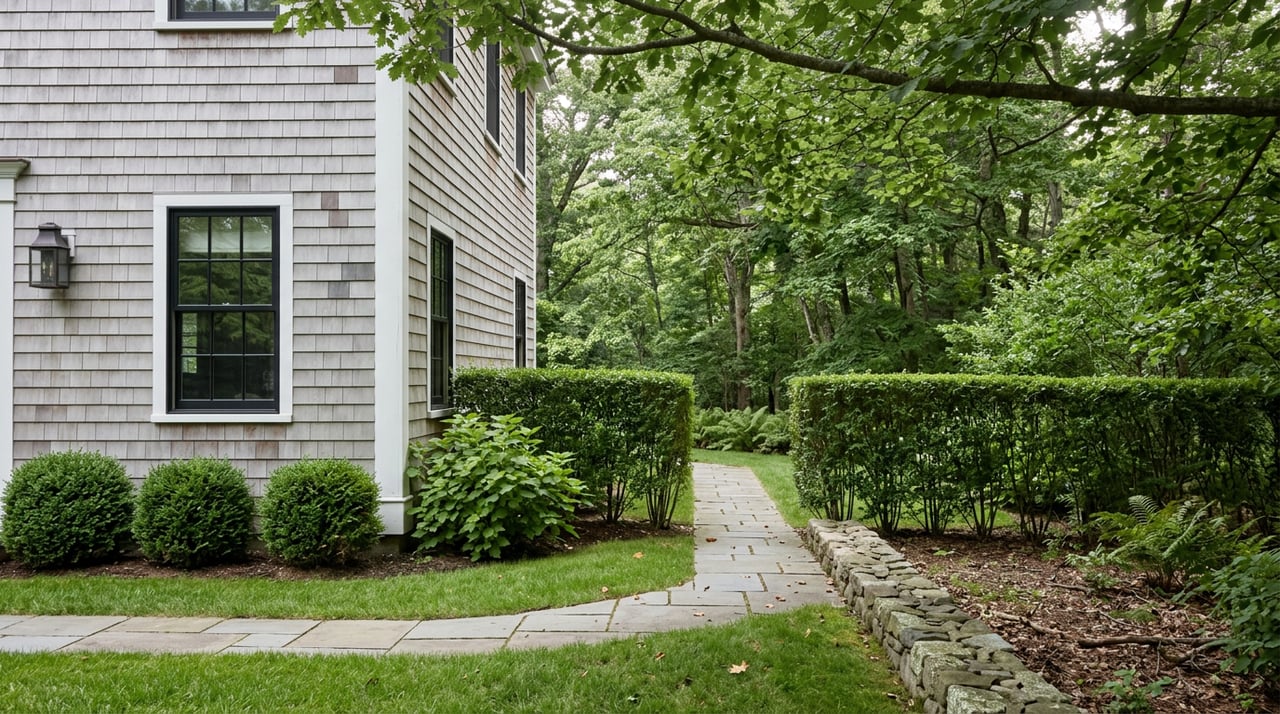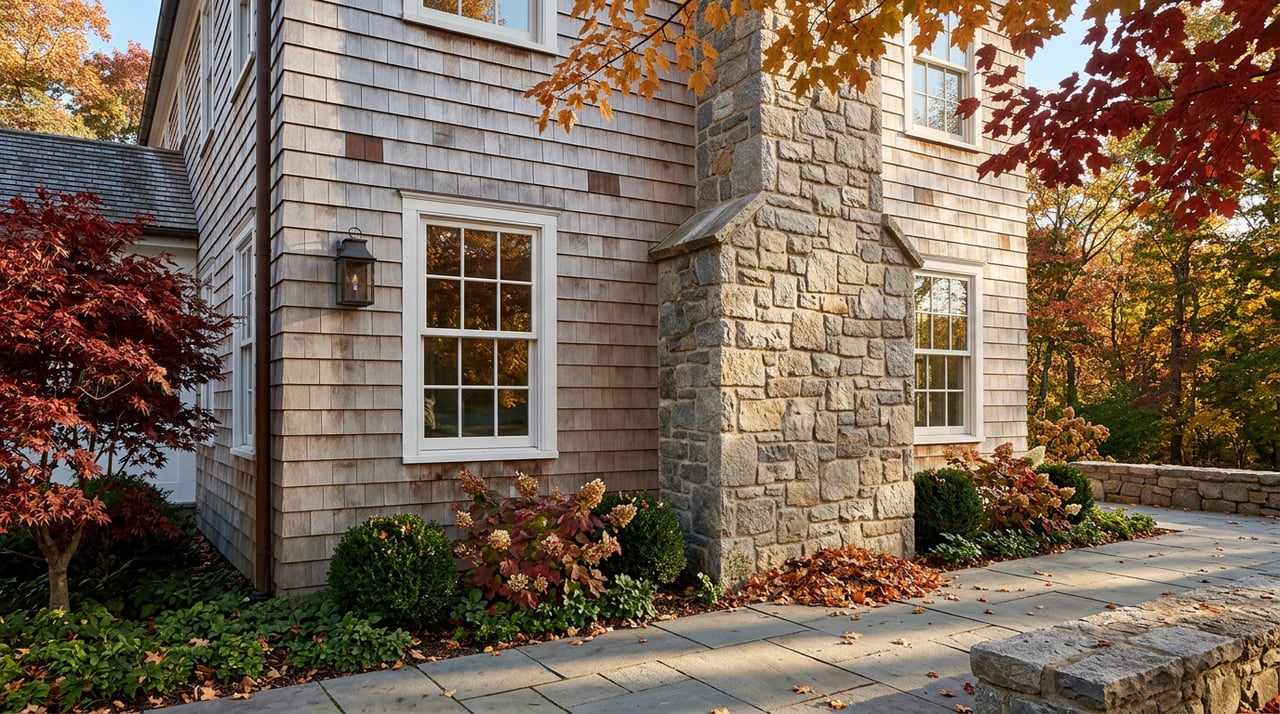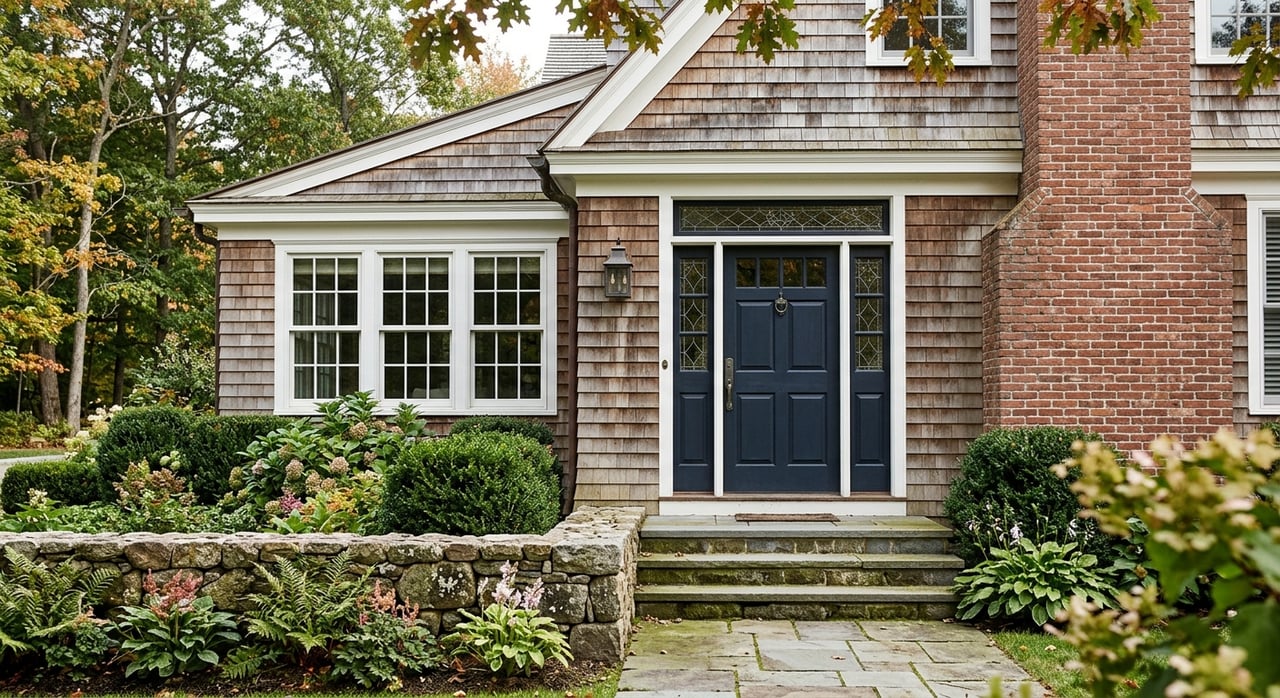
If you are weighing a historic estate home against new construction on Long Island’s North Shore, you are asking one of the most important lifestyle questions in this market. Here, the choice is rarely just about age. It is about how you want to live, what kind of ownership experience you want, and how much value you place on architectural character versus day-one efficiency. Let’s dive in.
Why this choice feels different here
On the North Shore, this is not a simple old-home-versus-new-home debate. New York State describes this stretch from Great Neck to Orient Point as a heritage area shaped by Gold Coast mansions and luxurious estates, which helps explain why historic homes carry such a strong presence in the local housing landscape. In places like Brookville and Mill Neck, estate-era history is still visible in the built environment and in the way villages approach property review and land use. You can see that broader regional context in the state’s Heritage Development Resource Guide.
That setting matters because it shapes both the homes themselves and the rules around them. Brookville notes that it became a Gold Coast enclave in the early 1900s, had about 22 large estates in 1923, and still maintains zoning that bans commercial development and requires at least two acres for residential property. Mill Neck also notes that many Gilded Era summer homes remain standing, reinforcing how deeply historic character is woven into this part of the North Shore.
Laurel Hollow and Oyster Bay Cove are part of this same estate-oriented corridor, but each village remains distinct. Laurel Hollow identifies itself as the easternmost village in Nassau County, and Oyster Bay Cove notes that it was incorporated in 1931 and includes 728 homes and about 2,250 residents. That means your buying decision is always both regional and village-specific.
What historic charm really offers
Historic homes on the North Shore often deliver something hard to replicate. You may be drawn to architecture with a sense of provenance, mature landscaping, long driveways, and estate settings that reflect the Gold Coast tradition. Nearby Sagamore Hill, described by the National Park Service as a Gold Coast home, helps illustrate the architectural language that has shaped this area’s identity for generations. The National Park Service highlights that context in its overview of Sagamore Hill’s architecture.
That appeal is not only visual. Older homes often offer craftsmanship, scale, and site placement that feel especially connected to the land around them. Mature trees, established gardens, and a house that sits naturally within a larger property can create a sense of permanence that many buyers find deeply compelling.
There is also a practical point worth remembering. Older does not automatically mean inefficient. The National Park Service notes that many historic structures were designed with features such as operable windows, natural light, eaves, and heavy masonry walls that can support energy-saving performance in their own way.
Where historic homes need more planning
Historic character usually comes with more complexity. If you buy an older home, you will want to look closely at what has already been updated and what may still need attention. The National Park Service notes that common efficiency issues in historic rehabilitation include air leakage around windows and doors, along with insulation challenges in attics and walls. Its guidance on energy efficiency in historic buildings also stresses that improvements should avoid diminishing historic character or damaging historic materials.
On the North Shore, renovation planning also means understanding village process. Brookville’s architectural-review code requires permit applications to include items such as elevations, exterior materials, landscaping, and a site plan, and plans are judged in part on harmony and compatibility with the village and neighboring properties. In practical terms, that means even thoughtful updates often require careful review before work begins.
The kinds of projects that may need permits or village approvals can be broader than many buyers expect. Based on local village guidance, that can include work related to windows and doors, HVAC, drainage, tree removal, additions, pools, fencing, driveways, grading, retaining walls, cesspools, drywells, and demolition. Brookville’s Building Department, Laurel Hollow’s resident guidance, Mill Neck’s building forms, and Oyster Bay Cove’s site-plan materials all point to the same takeaway: on this part of the North Shore, even routine-looking exterior work can involve meaningful review.
What new construction does well
New construction offers a different kind of value. If your priority is performance, lower immediate maintenance, and a more predictable ownership experience in the early years, a newly built home can be very appealing. The U.S. Department of Energy says DOE Efficient New Homes are designed for energy savings, comfort, health, and durability, giving new homes a clear day-one advantage.
That advantage often shows up in the systems behind the walls as much as in the finishes you see. Stronger insulation, tighter building envelopes, and modern mechanical systems can support comfort and efficiency from the start. For buyers who do not want to take on near-term upgrades, that can make the move feel much simpler.
Newer homes can also align well with buyers who want modern layouts and fewer immediate unknowns. If you value predictability in maintenance and operating performance, new construction may better fit your ownership style than a house that could need phased improvements over time.
Why new construction is not always simple
Even so, new construction on the North Shore is rarely a plug-and-play proposition. These villages are low-density, lot-sensitive, and highly regulated, so building a new home often involves significant local review. Brookville states that the Building Department reviews permits and may refer projects to the Planning Board or ZBA, and its planning process includes architectural review for neighborhood fit before permits are issued.
Mill Neck’s recent public notices show hearings tied to new dwellings, additions, pools, garages, regrading, and drainage in large-lot districts. That suggests a custom building environment shaped by site conditions and local process, not a production-home setting. In other words, a brand-new home here may still require patience, documentation, and a strong understanding of village requirements.
Oyster Bay Cove adds another layer. In 2025, the village stated that new homes are required to install advanced septic systems under village code. Its advanced septic system notice and site-plan materials also make clear that major projects may require substantial documentation, including stormwater planning and other supporting materials.
Historic vs. new at a glance
The most useful comparison is not simply old versus new. It is often character and complexity versus performance and predictability.
| Consideration | Historic Home | New Construction |
|---|---|---|
| Architectural identity | Strong sense of provenance and estate-era character | More tailored to current design and systems |
| Landscaping and setting | Often includes mature trees and established grounds | Can feel fresh, but landscape may take time to mature |
| Energy performance | May vary based on updates already completed | Often stronger on day one |
| Immediate maintenance | Can be less predictable | Often more predictable in early ownership |
| Renovation flexibility | Usually shaped by village review and existing character | Also shaped by village review, site plans, and approvals |
| Ownership style | Better for buyers who value stewardship and uniqueness | Better for buyers who prioritize convenience and modern performance |
Questions to ask before you choose
Whether you are leaning historic or new, the smartest next step is to get specific. On the North Shore, broad assumptions are less useful than property-level diligence and village-level context.
Start with these questions:
- What work has already been completed on the property?
- Were past improvements properly permitted or reviewed when required?
- What future changes are you likely to want?
- Which village approvals may be needed for those changes?
- How important is architectural character to your daily enjoyment?
- How much weight do you place on lower immediate maintenance and energy performance?
These are the same kinds of practical questions supported by guidance around ownership and weatherization from the National Park Service’s discussion of historic building updates. On the North Shore, your answer is rarely one-size-fits-all. It depends on your goals, your tolerance for project management, and the type of home that feels right to you.
The best fit depends on your lifestyle
If you love heritage architecture, estate settings, and the feeling of owning a home with a story, a historic property may be the better fit. You may accept added complexity because the character, setting, and continuity feel worth it. For many North Shore buyers, that stewardship is part of the appeal.
If you want modern systems, a more straightforward early ownership experience, and strong day-one performance, new construction may serve you better. That does not mean it will be effortless, especially during planning and approvals, but it may offer more predictability once complete.
In this market, the strongest buying decisions come from matching the property to the way you actually want to live. If you are considering a historic home or new construction on the North Shore, working with an advisor who understands village process, estate settings, and the nuances of these Gold Coast communities can make your search much more focused and informed. If you would like a private, thoughtful conversation about the right fit for your goals, Cottie Maxwell is here to help.
FAQs
What does historic charm usually mean on Long Island’s North Shore?
- Historic charm on the North Shore usually refers to estate-era architecture, mature landscaping, larger residential settings, and a sense of connection to the region’s Gold Coast history.
Are historic homes on the North Shore always less energy efficient?
- No. The National Park Service notes that many historic homes were built with features like operable windows, natural light, eaves, and heavy masonry walls that can support energy performance, although many older homes still benefit from targeted upgrades.
Do North Shore villages review renovations to older homes?
- Yes. Villages such as Brookville, Laurel Hollow, Mill Neck, and Oyster Bay Cove all indicate that many types of exterior or site-related work may require permits, documentation, or additional review.
Is new construction easier than buying a historic home on the North Shore?
- Not always. New construction can offer stronger day-one performance and lower immediate maintenance, but village approvals, site-plan review, drainage considerations, and infrastructure requirements can still make the process complex.
What should buyers ask before choosing a historic home or new construction?
- Buyers should ask what work has already been done, what approvals may be needed for future changes, and how they want to balance architectural character with operating efficiency and maintenance predictability.
Does Oyster Bay Cove have special rules for new homes?
- Yes. Oyster Bay Cove stated in 2025 that new homes are required to install advanced septic systems under village code, and major projects may also require substantial site-plan documentation.