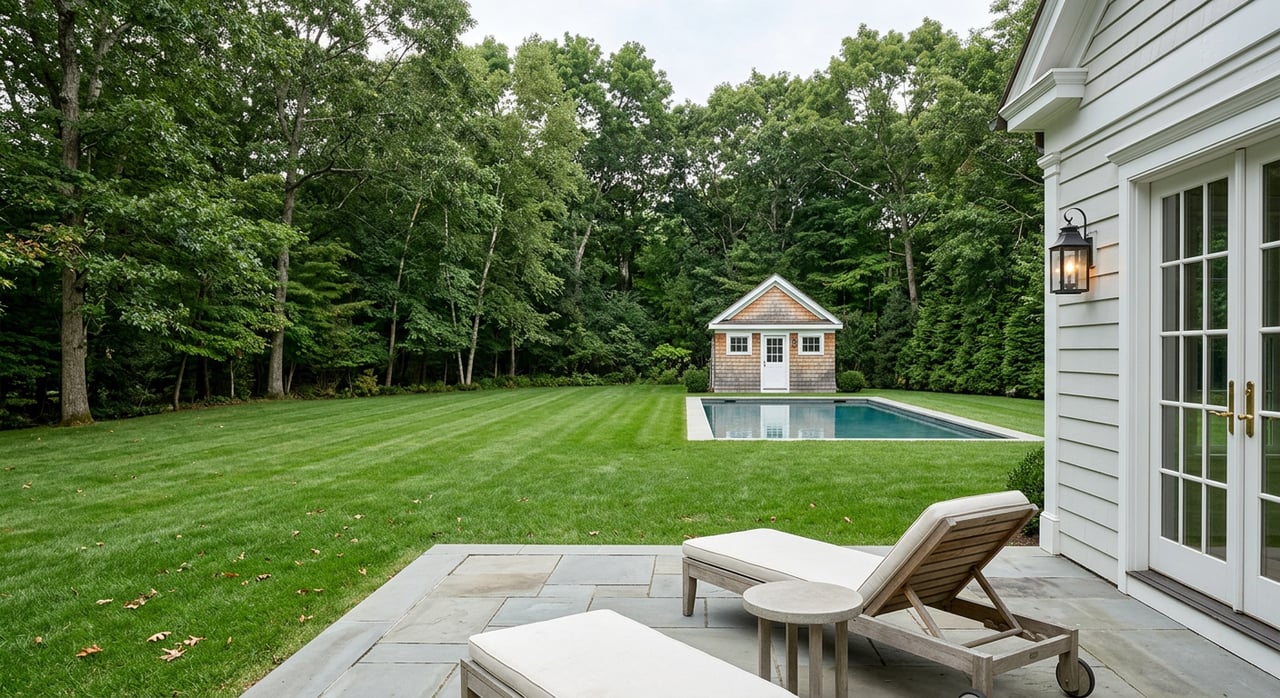
If you are deciding between a one‑acre yard and a five‑acre estate, you are really choosing a daily rhythm. Lot size shapes how private your mornings feel, how much time you spend on upkeep, and what you can build now or later. In Matinecock and Lattingtown, local zoning and utility rules make those differences even sharper. In this guide, you will see how 1, 2, and 4 to 5+ acre properties play out in real life, with clear checks to run before you tour. Let’s dive in.
Quick look: zoning by acreage
- Matinecock: districts include R‑5A minimum 5 acres, R‑2A 2 acres, and smaller-lot areas such as R‑15 and R‑10. The code sets setbacks and caps on principal and total building area. See the village’s standards in the Matinecock zoning code.
- Lattingtown: districts include R‑4A 4 acres, R‑2A 2 acres, R‑1A 1 acre, and R‑15. The schedule covers lot dimensions, setbacks, and formulas that adjust allowable floor area as lot size increases in the Lattingtown zoning code.
Why this matters: required setbacks and maximum total building area determine how much usable private space you have after the house, driveway, and other improvements are counted.
What 1 acre feels like
Privacy and space
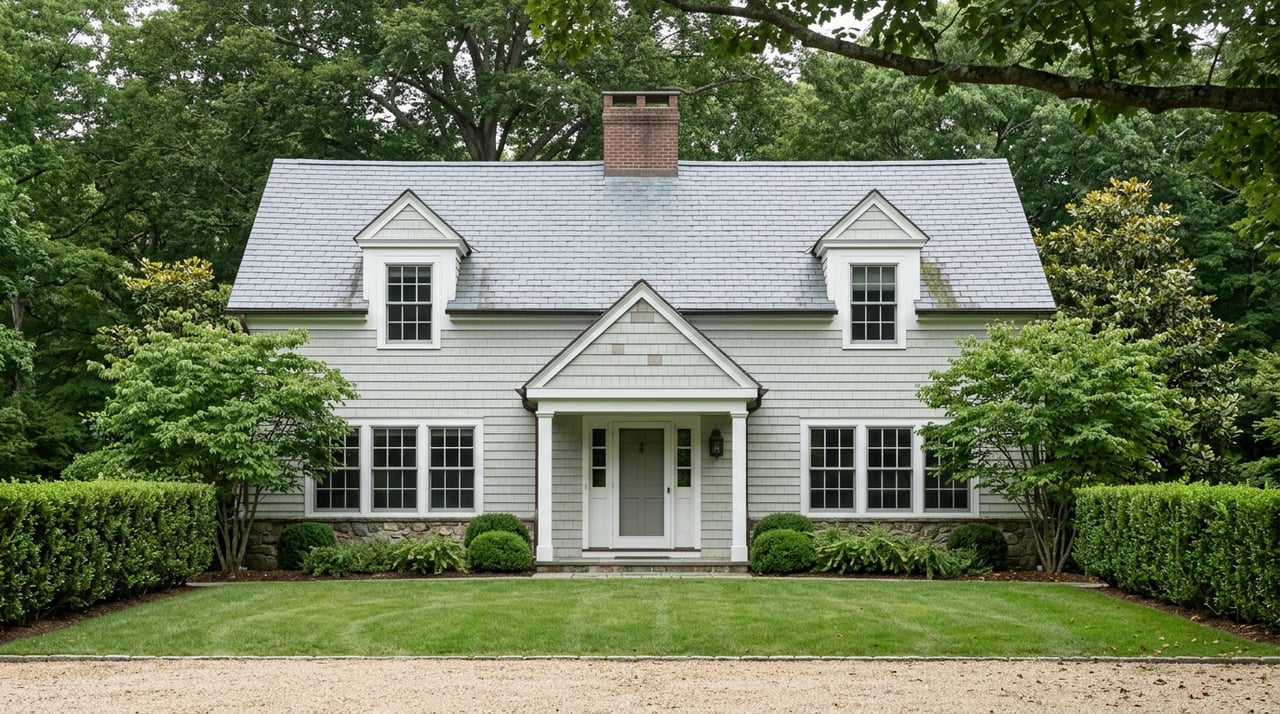
On a one‑acre lot, homes and driveways use a larger share of the site compared with estate parcels. Setbacks and narrower lot widths leave less depth for continuous wooded buffers, so neighbors are closer and sightlines are shorter. You still enjoy a private yard, just with less separation than on multi‑acre tracts noted in the Lattingtown schedule.
Maintenance and costs
Upkeep scales with square footage of lawn and landscape. Budgeting guides suggest full‑service maintenance can run roughly hundreds to low thousands per month on multi‑acre properties, with mowing, seasonal cleanups, and irrigation checks driving cost. See typical ranges in this lawn and landscape cost guide.
Amenities and rules
A one‑acre property can fit a pool or a modest sport court, subject to setbacks and total improved‑surface limits. Both villages regulate accessory structures and pool siting in their zoning schedules. Check your district’s caps in the Matinecock code or Lattingtown code before you plan a build.
Life on 2 acres
Privacy and buffer
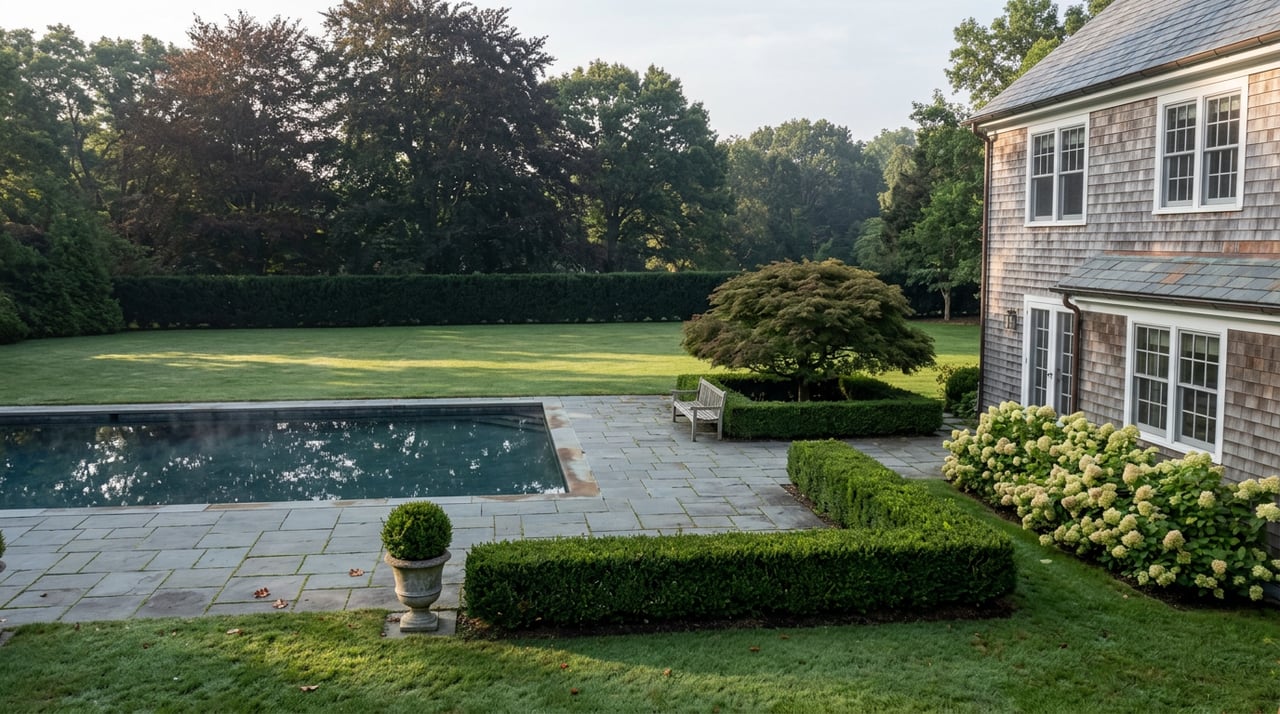
Two acres usually buys a deeper backyard, space for a small wooded buffer, and better neighbor separation. You have room for a pool, gardens, and possibly a detached garage or studio, provided you meet setbacks and coverage rules laid out in each village’s code.
Maintenance and operating rhythm
Grounds care becomes a regular line item at this size. Expect more frequent mowing, leaf removal, and periodic tree work. If you plan a longer driveway, factor in snow removal and resurfacing over time, which are not covered by village services.
Amenity flexibility
Two acres can support a classic North Shore setup: pool, patio, small court, and tasteful outbuildings. Accessory building size is capped by district, which affects whether a larger pool house or studio is feasible. Review the accessory building limits in the Matinecock code or Lattingtown code early in your planning.
Estate living on 4 to 5+ acres
Space and sightlines
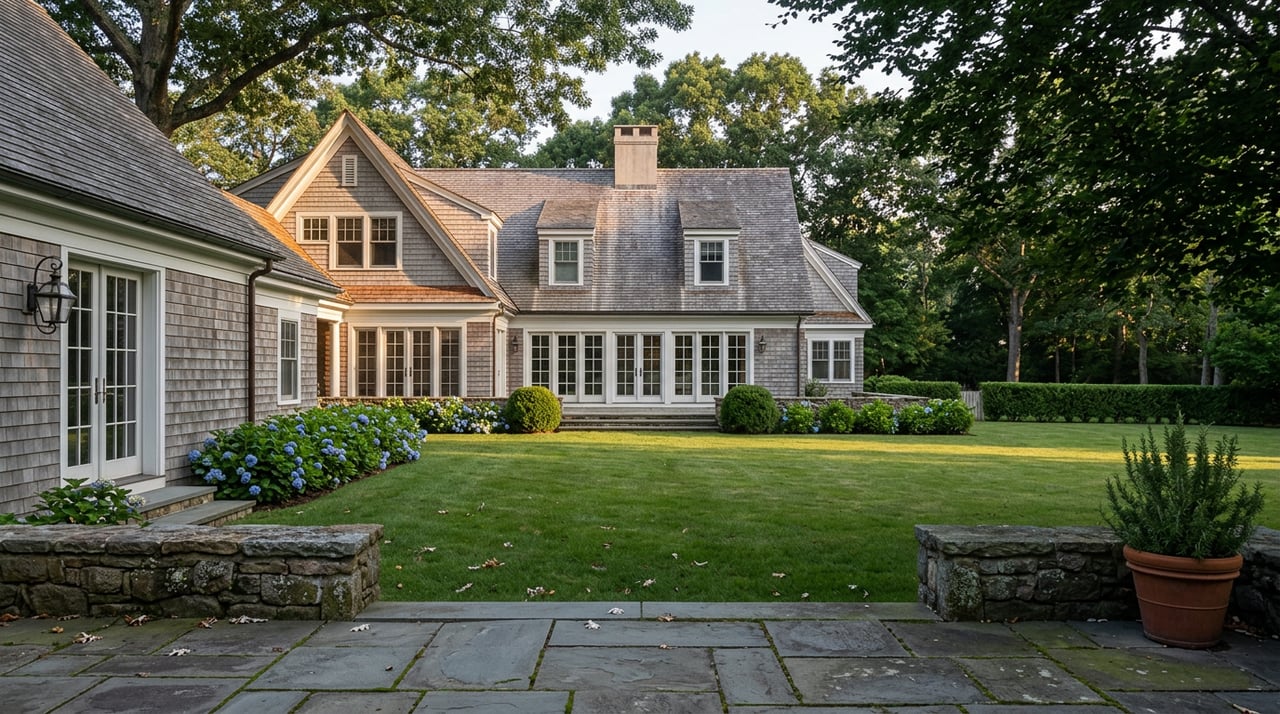
Four to five or more acres shift you into true estate living. You gain broad lawns or woodlots, longer approaches, and meaningful visual buffer from neighbors. Coverage limits are smaller percentages of a larger lot, so a sizable home can still sit comfortably within caps noted in each village’s schedule.
Upkeep and infrastructure
Larger acreage often means longer private drives, gates, and sometimes internal paths or paddocks. Plan for year‑round maintenance, from plowing to periodic resurfacing. Landscaping crews may handle both lawn and woodland edge management, which increases monthly costs compared with smaller lots. See budgeting context in the lawn and landscape cost guide.
Compound‑style amenities
At this scale, you can consider a larger pool, court, gardens, or a guest structure, all within setback and building‑area rules. Equestrian use becomes realistic on qualifying parcels, subject to village conditions described below.
Utilities, septic, and sewer checks
- Public water: Much of Matinecock and Lattingtown is served by the Locust Valley Water District. Confirm service for the exact tax parcel with the Locust Valley Water District.
- Sewer vs septic: Sewer availability varies parcel by parcel. Where service is available, the Oyster Bay Sewer District requires a certificate of sewer availability for certain changes in use. Review the process in the district’s rules and regulations. If the property is not sewered, you will rely on a septic or cesspool system.
- Septic care: The EPA recommends household septic inspections at least every three years and pumping every three to five years, with more frequent service for advanced systems. See guidance in the EPA septic care resource.
Guest cottages, rentals, and horses
Accessory dwellings
- Matinecock: The village restricts new accessory dwellings. Units that legally existed before July 1, 2003 have narrow rental permissions, but new accessory dwellings cannot be erected, converted, or enlarged under the current text. See the Matinecock code for details.
- Lattingtown: Accessory dwellings may be allowed on larger lots, but only with Planning Board approval and proof of surplus land that meets minimums for both the principal and accessory dwelling. See procedures in the Lattingtown code.
Short‑term rentals
Matinecock limits principal dwelling rentals to 30 consecutive days or more and caps frequency, with notice requirements. Other short‑term rental patterns are prohibited without relief. Review the rental provisions in the Matinecock code. Always confirm current rules with each village before you rely on rental income.
Horsekeeping
Both villages generally require at least two acres to keep horses and apply per‑acre formulas, stable and manure setbacks, and permitting conditions. If equestrian use is a priority, start with the Matinecock zoning code and confirm comparable rules in Lattingtown’s schedule.
A simple pre‑tour checklist
- Confirm the zoning district for the parcel and review lot standards. Start with the Lattingtown zoning map and each village’s code.
- Ask for proof of sewer connection or a recent septic inspection and pump‑out history. Use the EPA septic guide to frame questions.
- Compare the survey to the village’s maximum total building area and accessory caps in the Matinecock code or Lattingtown code.
- Verify whether any accessory dwelling is permitted or grandfathered, especially in Matinecock.
- If horses are a goal, request prior permits or variances and confirm setbacks in the code.
- Get two local estimates for landscaping, driveway, snow, and septic service. Use this maintenance cost guide for ballpark ranges.
- If rentals matter to your plan, secure written clarity on what the village allows. Matinecock’s limits are in the village code.
- Ask for recorded covenants, HOA rules, or easements that may affect use of acreage.
Choosing what fits your life
If you prize a simpler routine with a classic backyard, one acre can feel just right. If you want a pool, gardens, and a buffer of trees, two acres often strikes the balance. If you envision a compound with long sightlines and room for specialized amenities, four to five or more acres deliver that estate experience. The key is aligning your wish list with each village’s rules, utilities, and upkeep realities.
When you are ready to explore, you deserve thoughtful guidance and discreet, senior‑level representation. For a private, objective conversation about what size and setting best fit your goals on the North Shore, connect with Cottie Maxwell.
FAQs
Can I add a guest cottage in Matinecock?
- Matinecock does not allow new accessory dwellings under current code, and only pre‑July 1, 2003 units have limited permissions. Review the Matinecock code before you plan.
Are short‑term rentals allowed in Matinecock?
- Rentals of a principal dwelling are limited to 30 consecutive days or more and capped in frequency, with notice requirements. See rental provisions in the Matinecock code.
Can I build an accessory dwelling in Lattingtown?
- Possibly, on larger lots and only with Planning Board approval that confirms surplus land and other conditions. See the Lattingtown code for the review process.
What should I budget for grounds care on 2 to 5 acres?
- Multi‑acre properties often run from hundreds to low thousands per month for full‑service maintenance, depending on scope and frequency. See ranges in this landscape cost guide.
How do I confirm water and sewer service for a parcel?
- Contact the Locust Valley Water District for water. For sewer, ask for proof of connection or review the Oyster Bay Sewer District’s rules for certificate requirements, or plan for septic with the EPA guidance.